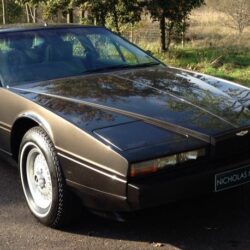
AML V8

The 1970s saw the production of two iconic Aston Martin models: the DBS and the V8. The DBS was introduced in 1967 as a replacement for the DB6 and was produced until 1972.
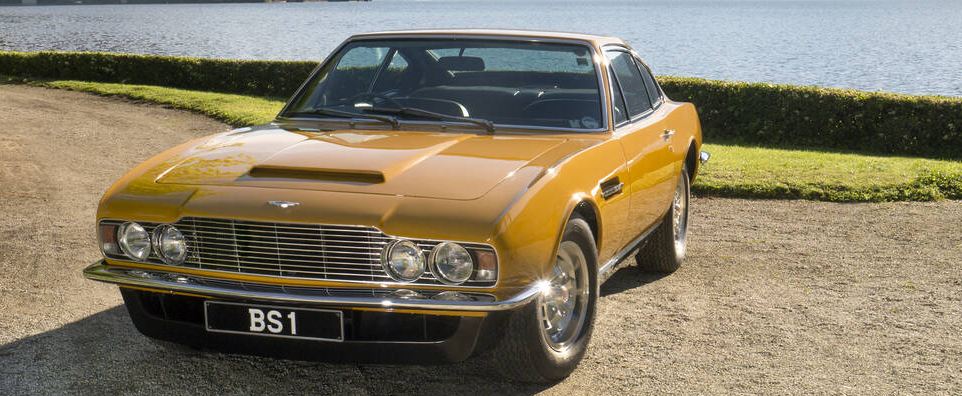
Designed by William Towns and featured a sleek, modern body with a long hood and short rear deck. The car was powered by a 4.0-liter straight-six engine that produced 282 horsepower, and it was available with either a five-speed manual or three-speed automatic transmission. The DBS was considered a true grand tourer, with its comfortable interior and spacious trunk, making it perfect for long-distance driving.
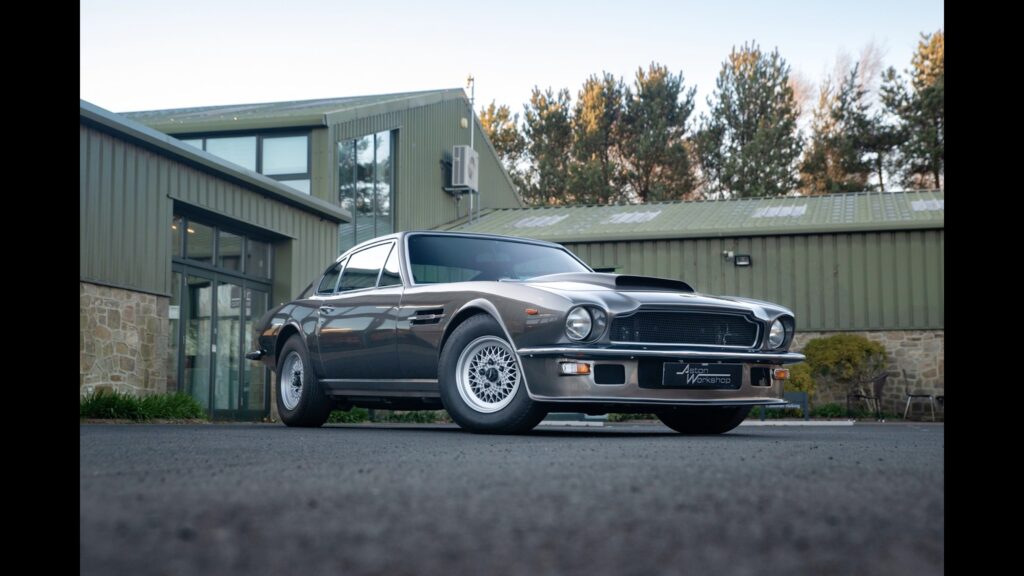


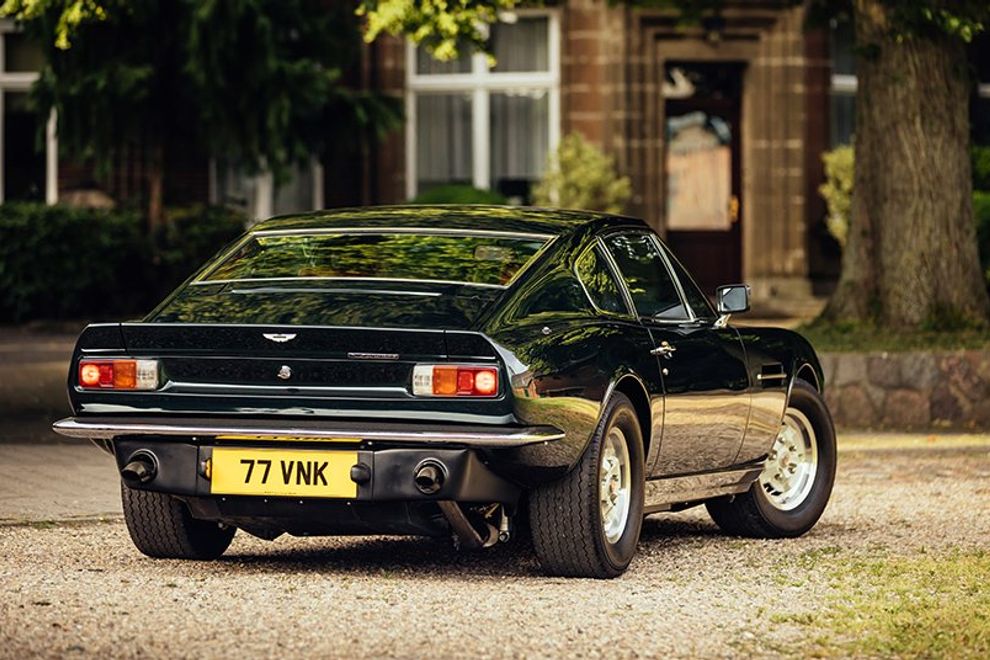


The car was made in the days of handbuilt factory’s with less precision engineering that we have today. It was wider than originally designed when the jigs were made wider by mistake. However, due to time constraints, Aston Martin went with it and fitted wider windscreens, panels, etc (although it did mean passenger and driver sat a little further away than normal). But it did give a more imposing visual and it also allowed for wider wheels and tires for improved handling and traction.

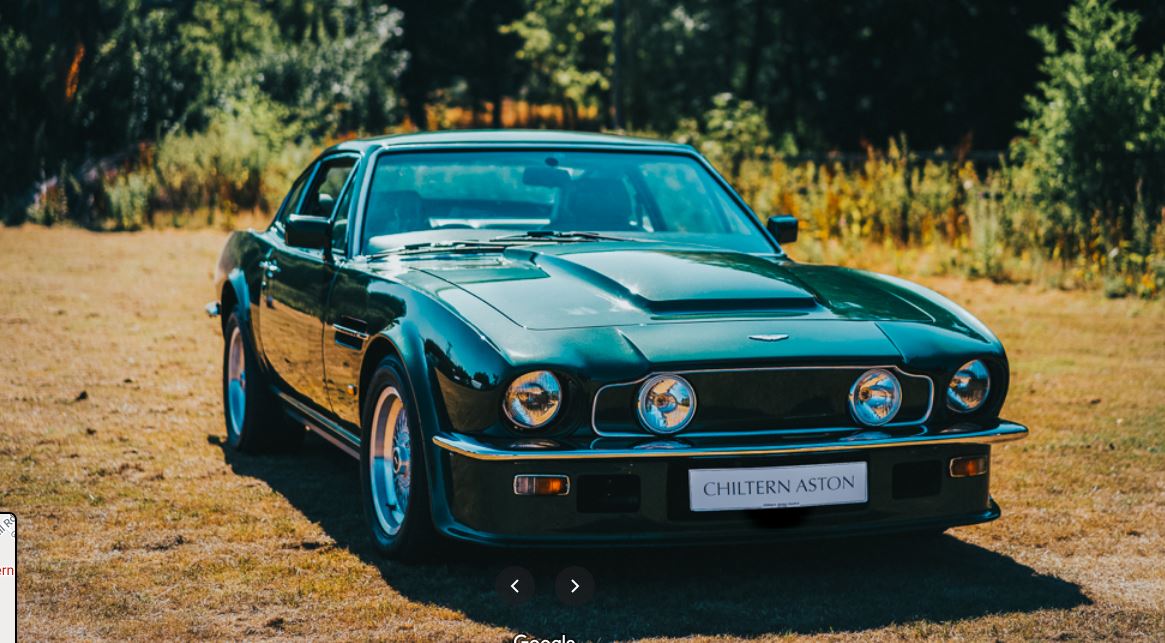
In 1969, Aston Martin introduced the V8 model, which was an evolution of the DBS. The V8 was powered by a 5.3-liter V8 engine that produced 320 horsepower, making it Aston Martin’s fastest production car at the time. The car featured a restyled body with flared wheel arches and a larger grille. The V8 was also available with either a five-speed manual or three-speed automatic transmission.
Both the DBS and the V8 were known for their luxurious interiors, featuring leather seats, wood trim, and plenty of space for passengers. They were also equipped with power windows, air conditioning, and a premium sound system.
Despite their high price tags, the DBS and V8 were popular with wealthy buyers who appreciated their combination of luxury, performance, and style. Today, these cars are highly sought-after by collectors and enthusiasts, with some models fetching millions of dollars at auction. The DBS and V8 remain icons of British automotive design and engineering, and their influence can be seen in modern Aston Martin models.
V8 Vantage
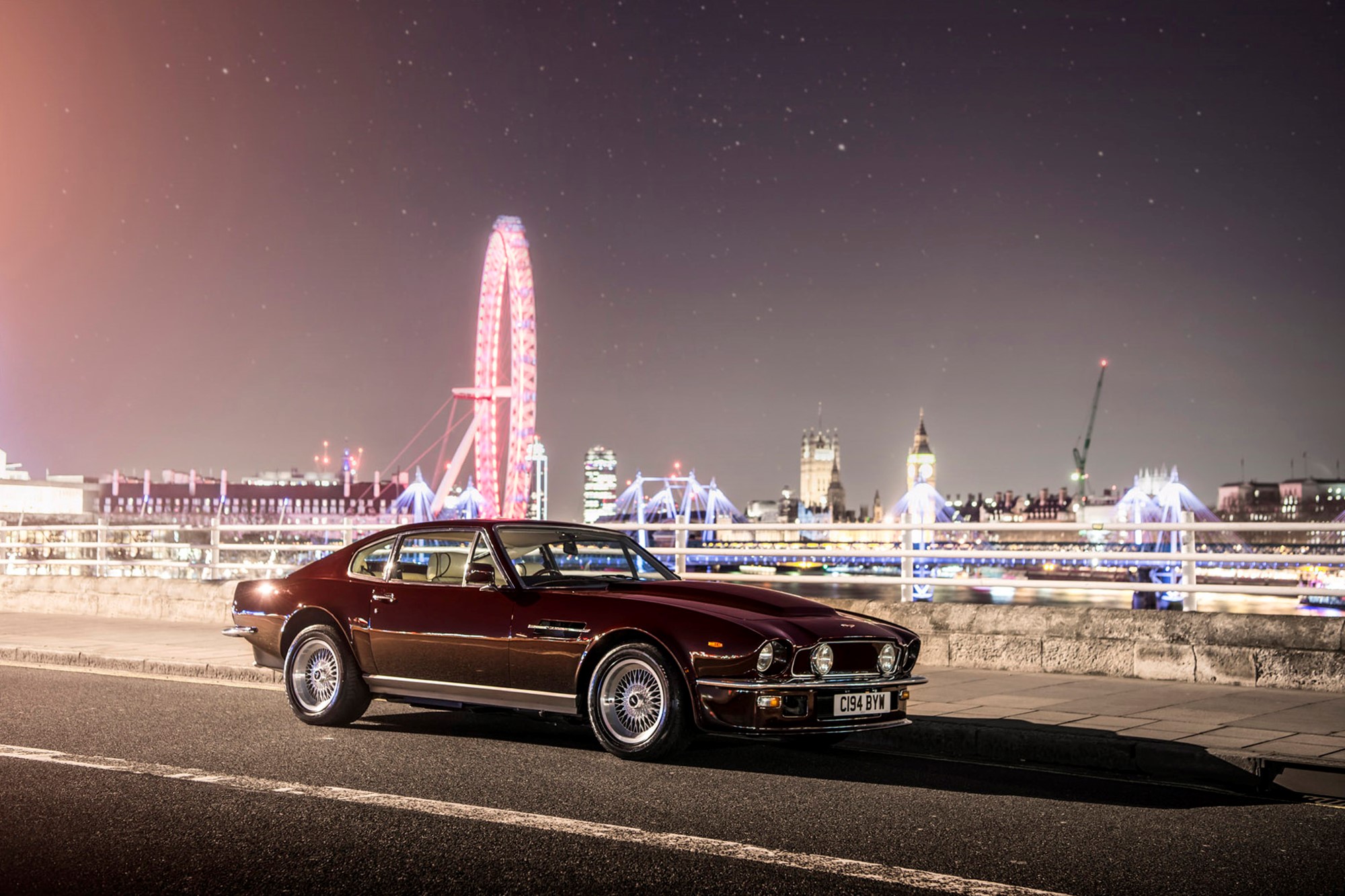
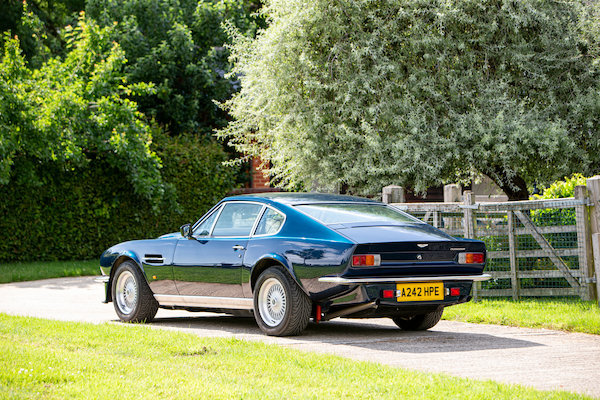
The V8 Vantage was developed as a high-performance version of the Aston Martin V8 model. The Vantage was first unveiled in 1977, and it was the result of a collaboration between Aston Martin and the tuning company, Callaway Cars.
The Vantage featured a more powerful version of the standard V8 engine, which was modified to produce 375 horsepower, up from the standard V8’s 320 horsepower. This was achieved through the use of high-performance camshafts, larger carburettors, and improved exhaust headers. The Vantage also had a lower suspension, wider tires, and a limited-slip differential, which made it more agile and responsive on the road.
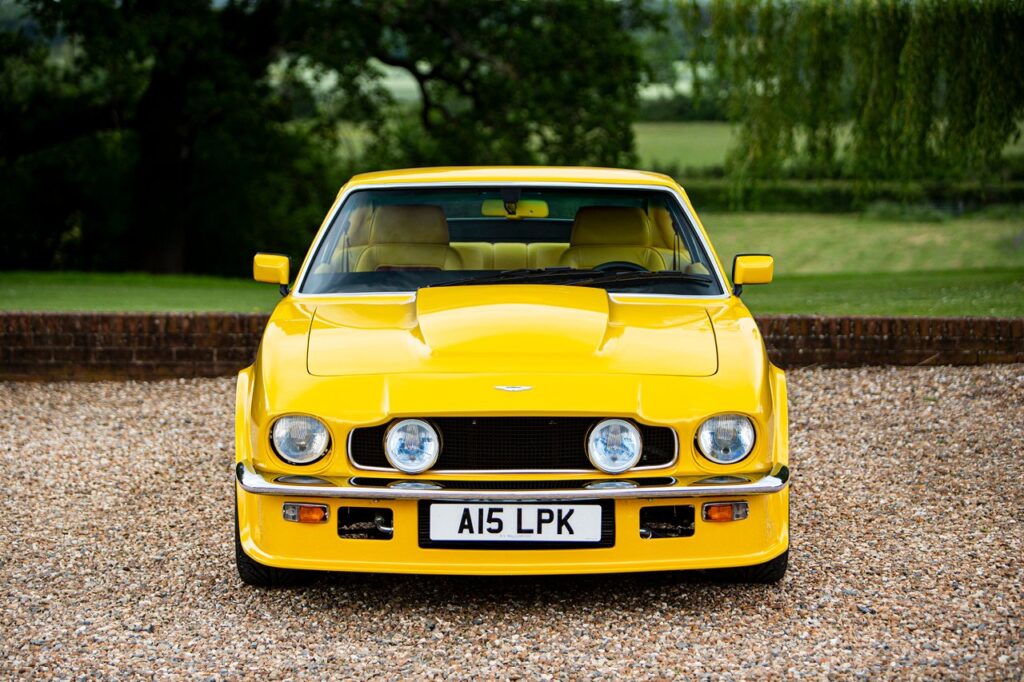
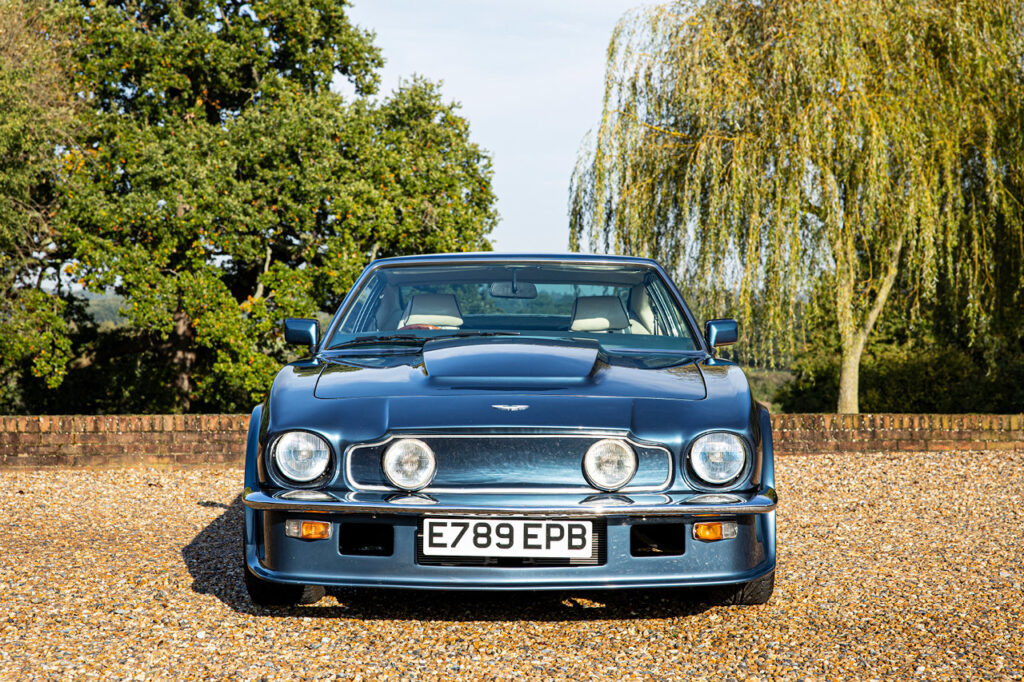
The exterior of the Vantage was also modified, with a larger front spoiler, flared wheel arches, and a distinctive hood bulge to accommodate the larger engine. Inside, the Vantage featured a more luxurious interior with leather upholstery and wood trim.
The V8 Vantage was a significant success for Aston Martin, and it helped to establish the company as a producer of high-performance sports cars. The Vantage was produced in limited numbers, and it remains highly sought after by collectors and enthusiasts today.

..




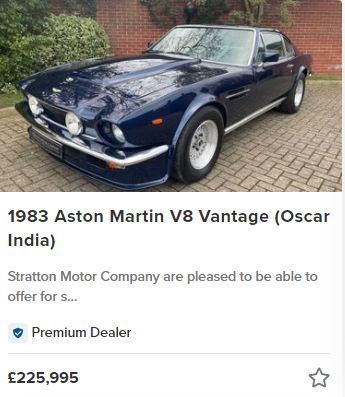
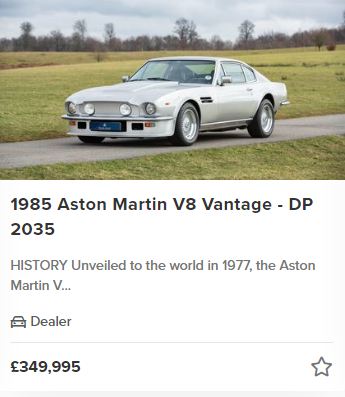
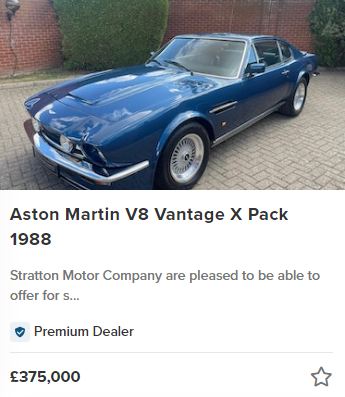
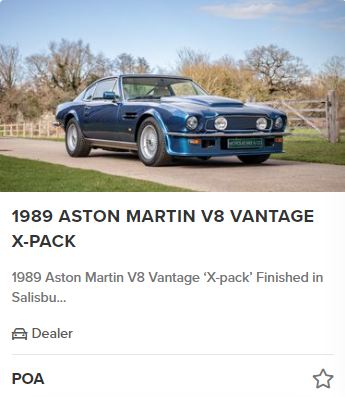
CARS AND CLASSICS ADVERTS