Synth Pop

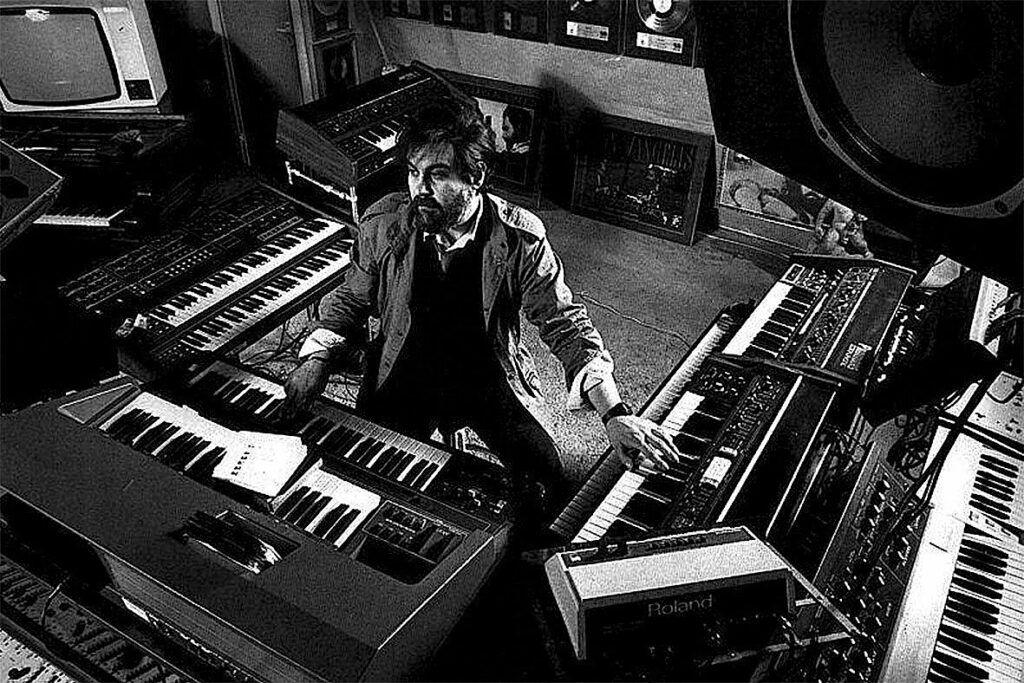
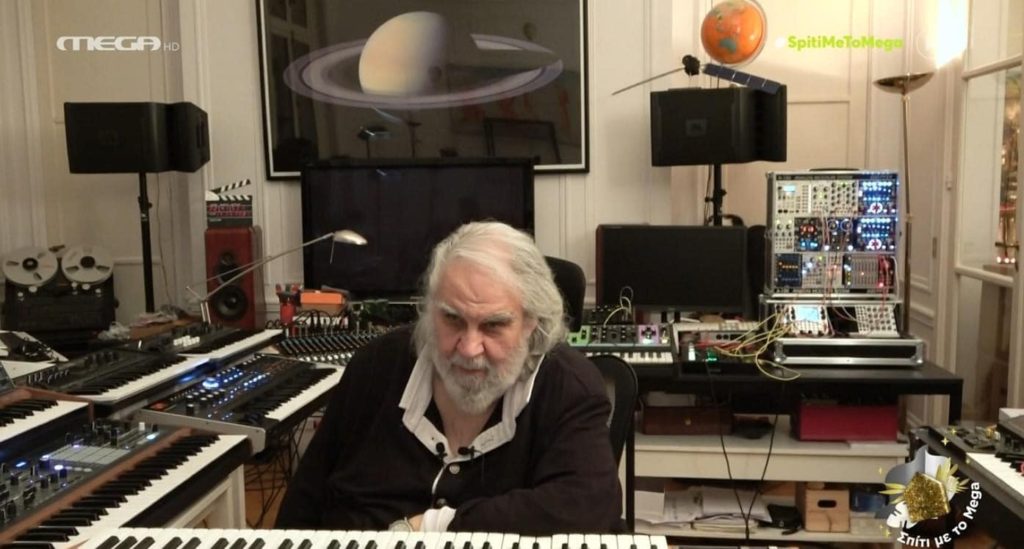
Synth pop is a subgenre of pop music that emerged in the late 1970s and early 1980s. It is characterized by the use of synthesizers, drum machines, and other electronic instruments, as well as a focus on melody and catchy hooks.
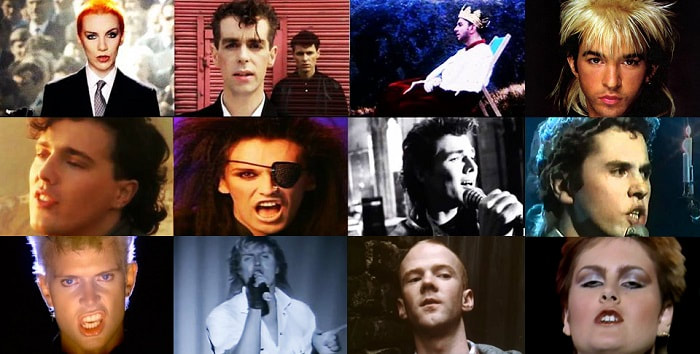
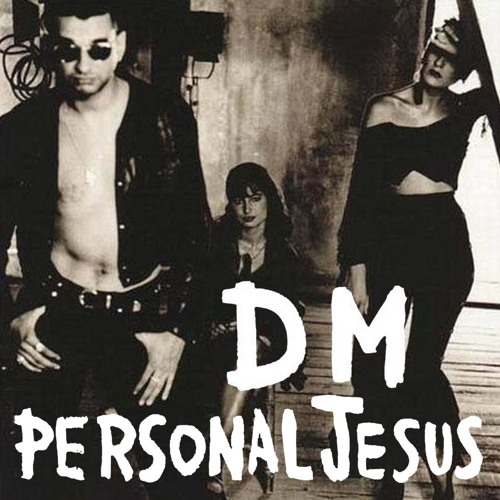
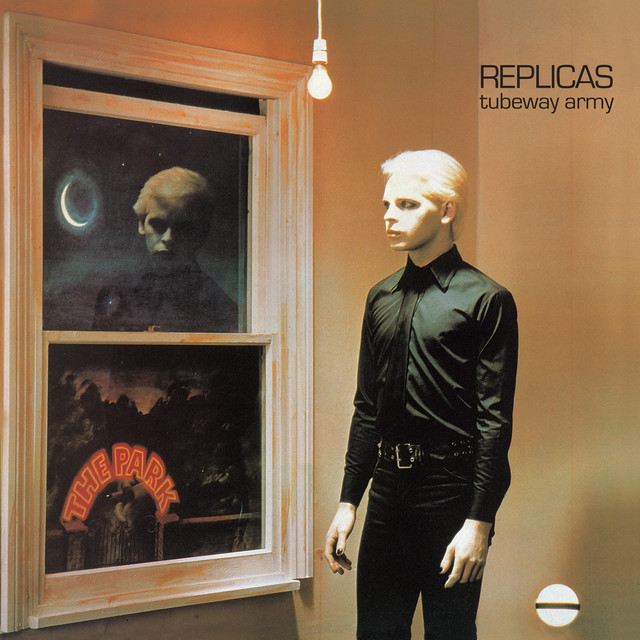
The term “synth pop”, short for “synthesizer pop,”, is the genre is often associated with bands like Depeche Mode, Gary Newman, New Order, and Pet Shop Boys, among others. Synth pop was initially considered a somewhat experimental genre, but it quickly gained mainstream popularity in the 1980s due to its catchy melodies and danceable rhythms.
In terms of musical characteristics, synth pop typically features a strong emphasis on melody, with electronic instruments used to create a variety of textures and sounds. The genre often features a relatively simple song structure, with catchy hooks and memorable choruses.
Lyrically, synth pop tends to focus on themes of love, relationships, and technology, with a certain amount of detachment and irony often present in the lyrics. The genre has been credited with helping to pave the way for electronic dance music (EDM), and it continues to influence pop and dance music today.
Kraftwerk is considered to be one of the pioneering and most influential bands in the development of synthpop and electronic music. They formed in Düsseldorf, Germany in 1970 and released their debut album in 1971.
Kraftwerk’s music features a heavy use of electronic instruments, including synthesizers and drum machines, and a minimalist approach to composition. Their early albums, such as “Autobahn” and “Trans-Europe Express,” are characterized by repetitive electronic rhythms and melodies, often with lyrics that celebrate technology and modernity.
Kraftwerk’s influence on the development of synthpop and electronic music cannot be overstated. Their music has been sampled and remixed by countless artists, and their influence can be heard in the work of bands like Depeche Mode, New Order, and many others.
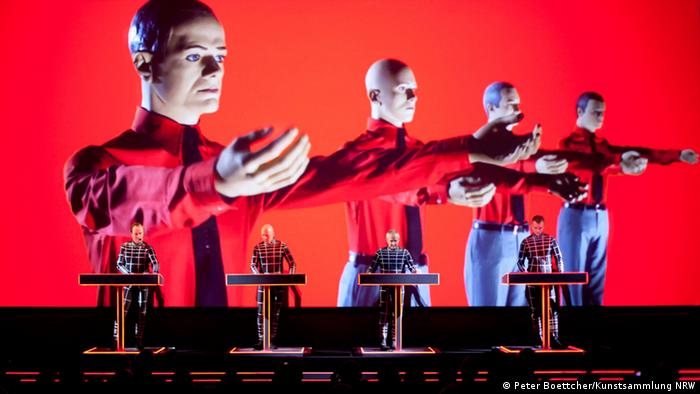
In addition to their musical contributions, Kraftwerk were also innovators in the use of technology in music production and performance. They developed their own electronic instruments and used cutting-edge technology in their live shows, paving the way for many of the electronic music innovations that followed in the decades to come.
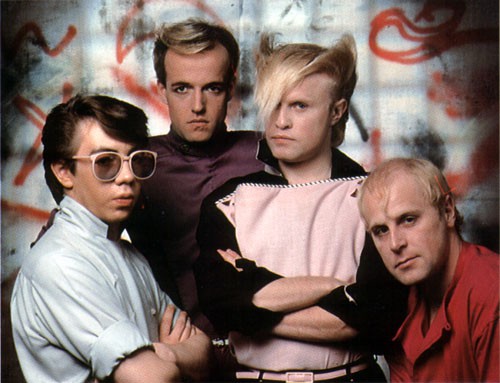













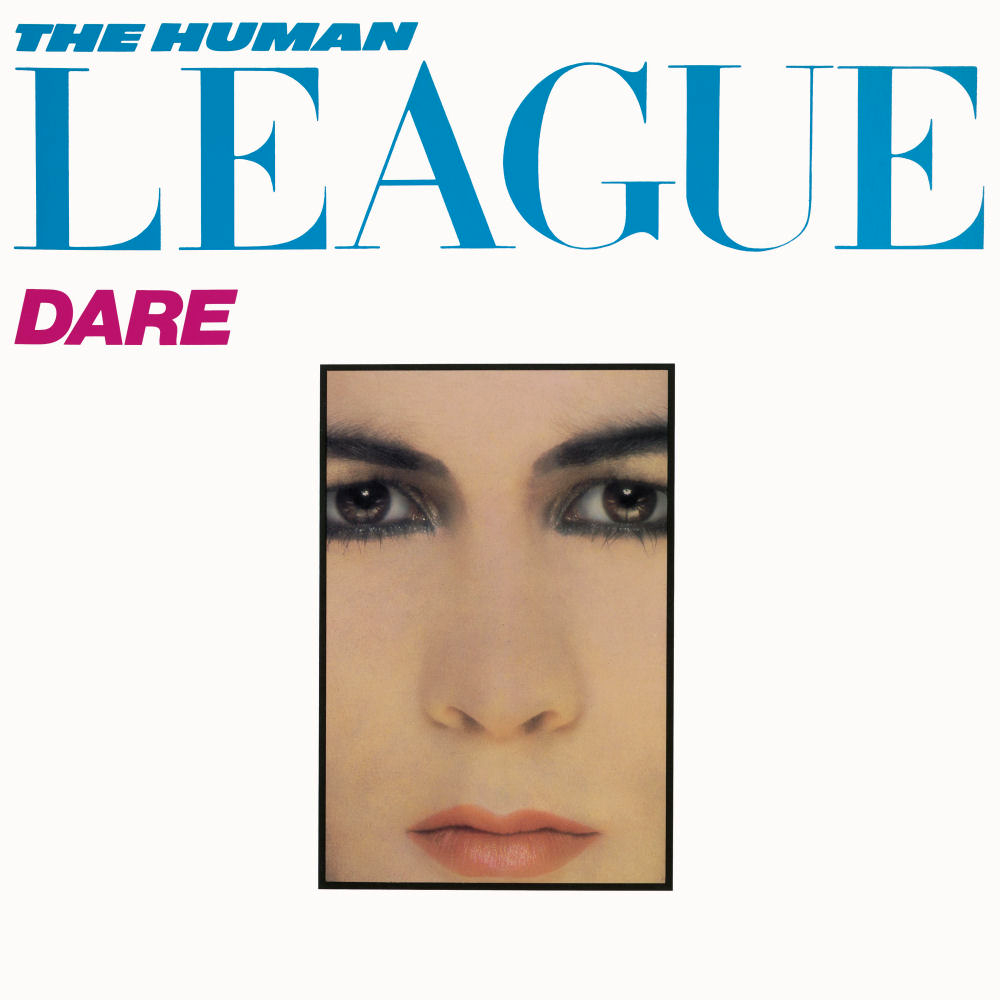
The Human League’s “Don’t You Want Me” is considered a classic of the genre; it had a significant influence on the development of electronic music and pop music more broadly.
The song features a driving electronic beat, catchy synth melodies, and the distinctive vocals of lead singer Phil Oakey. Lyrically, the song tells the story of a failed relationship and the power dynamics between two lovers.
“Don’t You Want Me” was a huge commercial success, reaching the top of the charts in multiple countries and selling millions of copies worldwide. Its success helped to cement synthpop as a popular genre and paved the way for the rise of other electronic and dance-oriented pop music in the 1980s and beyond.
The song’s influence can be heard in the work of many artists who followed in the synth pop tradition. It has also been covered and remixed by numerous artists over the years, further demonstrating its enduring influence on popular music.

Synth pop’s longer-lasting influence is evident in the continued use of electronic instruments and production techniques in popular music, the emergence and evolution of electronic dance music, and the development of contemporary pop music that often incorporates elements of synth pop’s signature sound and style.