The Art of Pink Floyd

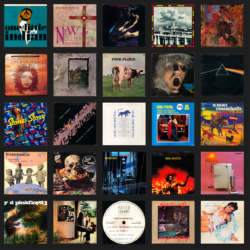
The most influential Pink Floyd albums were Dark Side of the Moon, Wish You Were Here, Animals and The Wall.
Dark Side of the Moon (1973)

One of the best-selling albums of all time and is in the top 25 of a list of best-selling albums in the United States. Although it held the number one spot in the US for only a week, the album remained in the Billboard 200 albums chart for 736 nonconsecutive weeks (15 years!) (from 17 March 1973 to 16 July 1988). The Dark Side of the Moon made its final appearance in the Billboard 200 albums during its initial run on the week ending 8 October 1988, in its 741st charted week. The album re-appeared on the Billboard charts with the introduction of the Top Pop Catalog Albums chart in the issue dated 25 May 1991, and was still a perennial feature ten years later.
https://en.wikipedia.org/wiki/The_Dark_Side_of_the_Moon#Sales
Re-envisioned


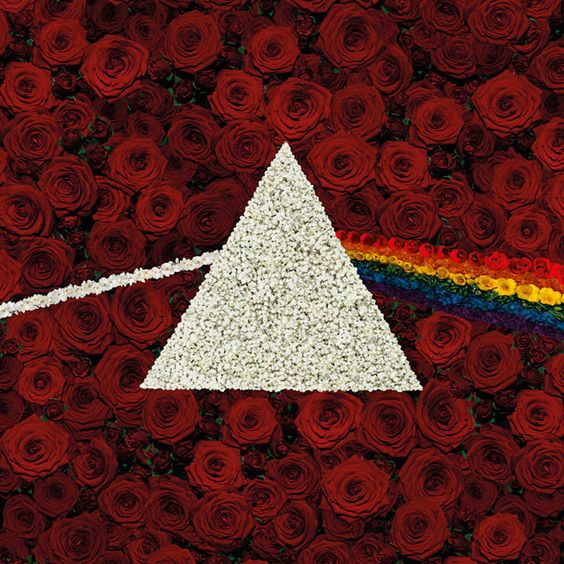


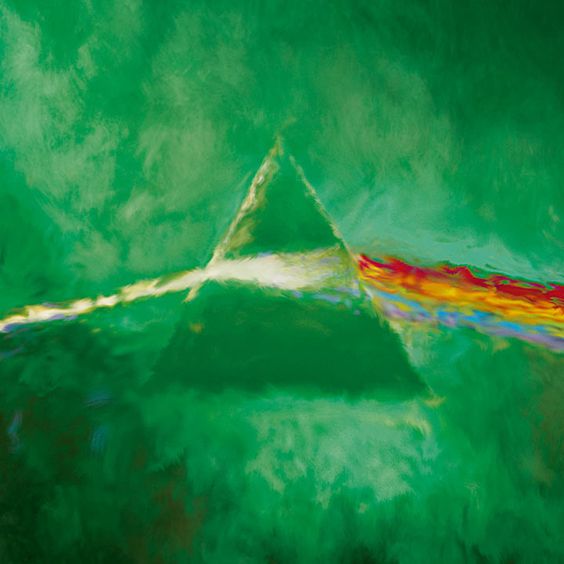
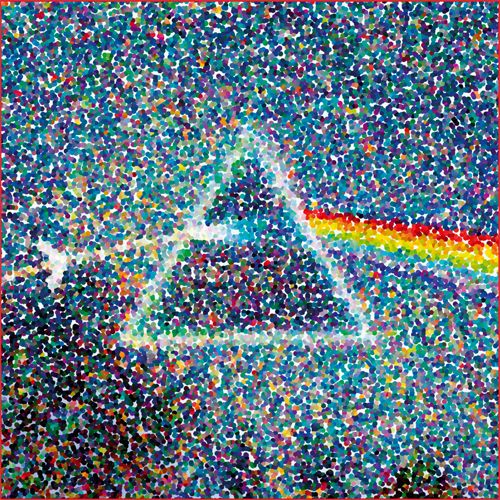
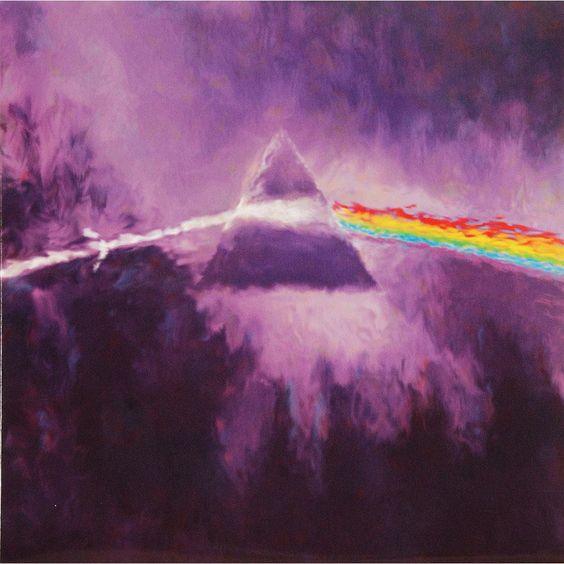
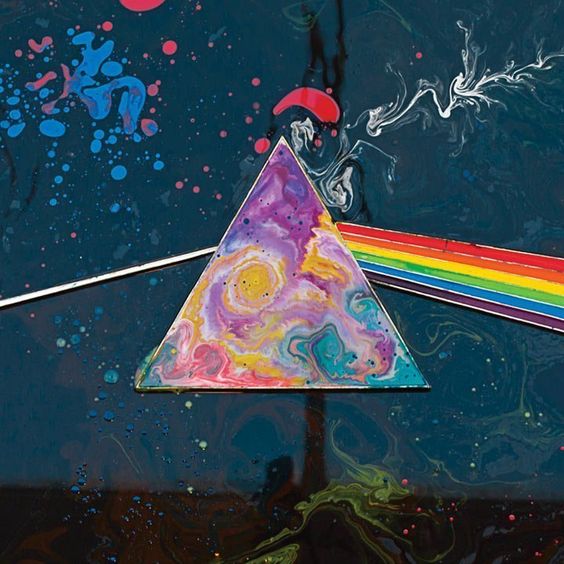

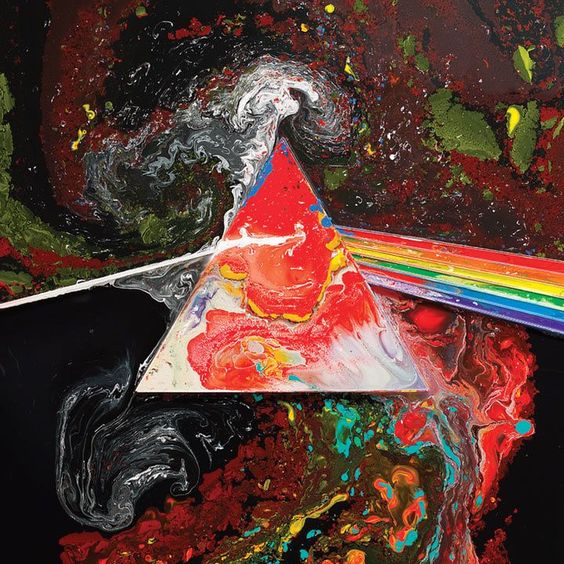
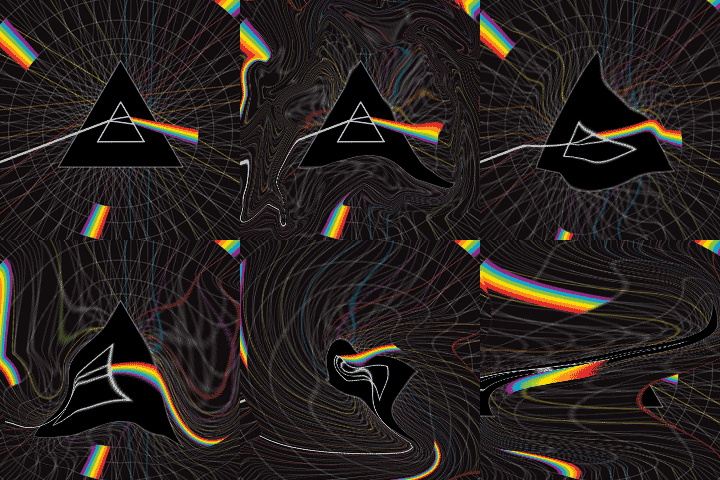
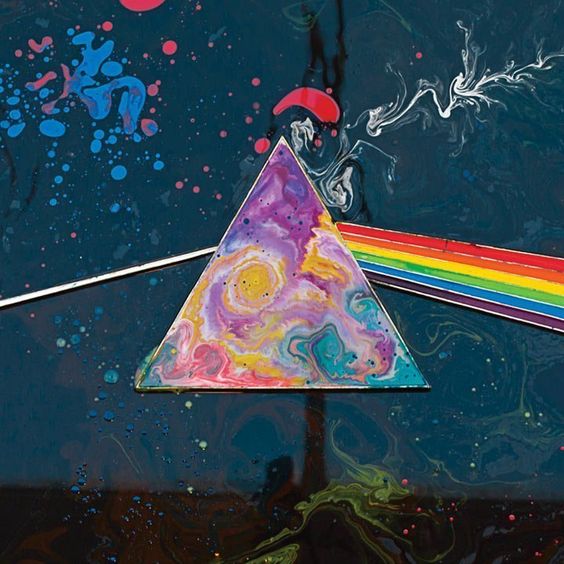
One in every fourteen people in the US under the age of 50 is estimated to own, or to have owned, a copy.
https://en.wikipedia.org/wiki/The_Dark_Side_of_the_Moon#Sales
Wish you were here (1975)

So confident and cohesive a work is Wish You Were Here, so much of itself both musically and conceptually, that it’s positively claustrophobic. It’s almost impossible to imagine the yawning acres of self-doubt and confusion that actually beset its creation. For rather than recharging Pink Floyd’s creative batteries, Dark Side’s success seemed to sap them. Unbelievably, to follow up their multi-million-seller, the band messed about for months with the patently going-nowhere Household Objects project, then junked half an album’s – worth of material, only to then find themselves almost incapable of injecting life into the one song they did have, the Syd Barrett tribute “Shine On You Crazy Diamond”.
Paradoxically energized by the enervation, inspired by the lack of inspiration, and revved up by the mechanicaln ature of the sessions, Roger Waters came up with the concept for an album about absence, alienation and mechanisation, starting from the spectre of Barrett, then spiralling out into new songs about the music industry machine.
For while Wish You Were Here may be another favourite with stoners — with tempos even more hydroponically lethargic than Dark Side — its sleek, synthesized surface contains a cold steeliness sufficient to induce a creeping unease. An unease given alarm-bell anxiety by even the most cursory reference to the lyric sheet.
Notwithstanding its soulful guitar solos “Shine On You Crazy Diamond” is no reassuring Syd eulogy, becoming more clinical as it ticks over into its second half (or just runs out of ideas). Ostensibly an attack on money-grubbing music industry moguls, “Have A Cigar” is as much a “Money “-laundering joke at fans’ expense, cynically recycling the Floyd’s biggest hit’s bluesy feel and fruity guitar solos (though it actually stalled as a single). Equally, the cold metallic finger of “Welcome To The Machine” is pointed as much at Floyd fans as the music industry itself, and however trippy the music’s swooshing, stereo-straddling synths may be, it is claustrophobia rather than escape that’s evoked. Even the title track is, beneath its pastoral prettiness, a song of desperate alienation,
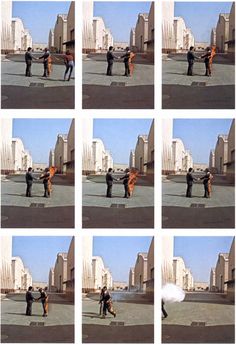
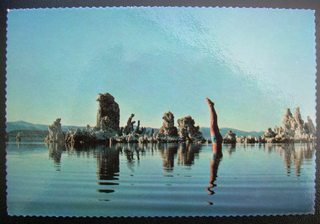
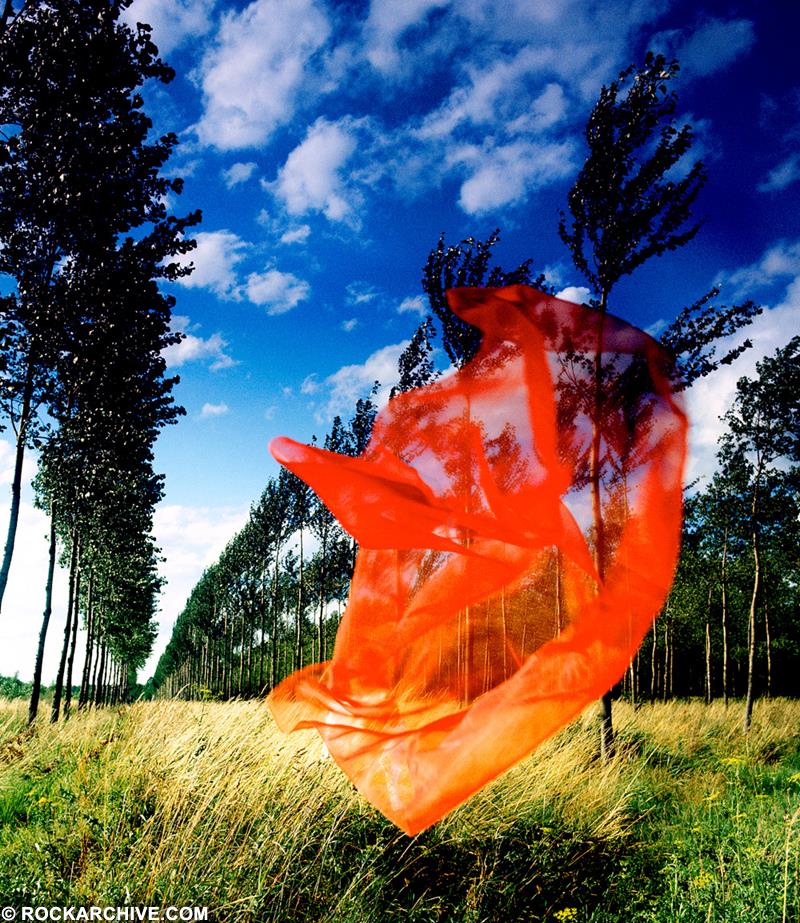
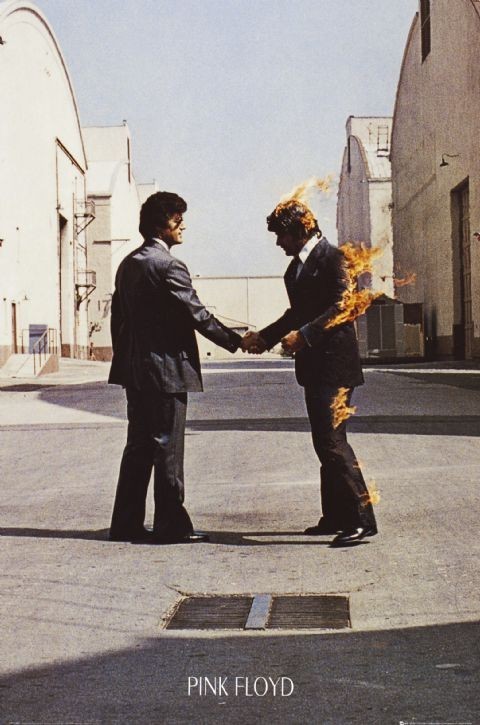
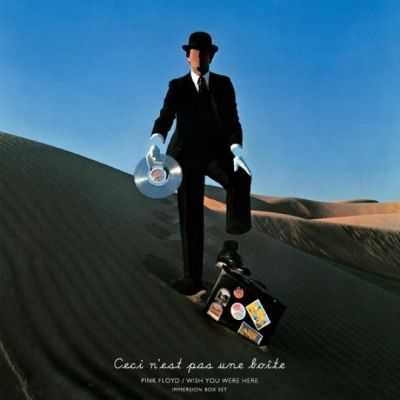
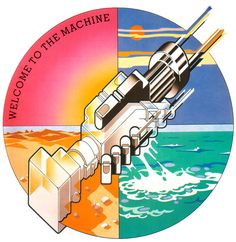
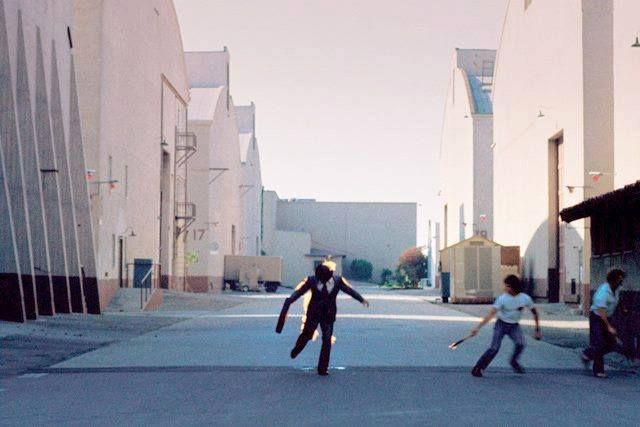
albeit one that appears to be seeking another soul to share it. As on “Machine”, the track’s acoustic guitars —a n element shunned on Dark Side — sound frail and lonely amidst the steely splendour of Wish You Were Here’s synthetics.
Trapped between banks of synthesizers, acoustic guitars emerge out of tinny transistor radios, or are swamped in whooshing wind —a forlorn flag of human hope in the face of the crushing Machine.
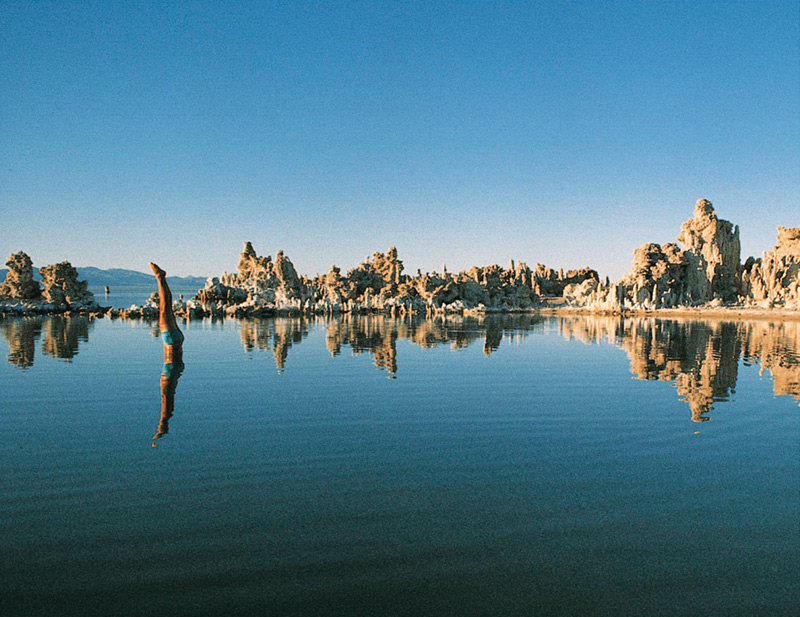
Not itself quite the crushing commercial machine that Dark Side was, Wish You Were Here’s mere 18 million sales initially put it in its predecessor’s shadow. But while it is decidedly the work of the same group, Wish You Were Here is a considerably chillier, more cynical, and even more impressive album than Dark Side. Certainly Wright and Gilmour think so, for both now rate it their favourite Floyd album, despite Gilmour’s opposition to Waters’ concept at the time. Which comes close to celebrating their own self-doubt and confusion. Or just adroitly turning weakness into strength.
Animals (1977)
The tenth studio album by Pink Floyd, originally released in January 1977. It was recorded at the band’s Britannia Row Studios in London throughout 1976 and early 1977, and was produced by the band themselves. ‘Animals’ is a concept album, focusing on the social-political conditions of mid-1970s Britain, and was a change from the style of the band’s earlier work. The album was developed from a collection of unrelated songs into a concept which describes the apparent social and moral decay of society, likening the human condition to that of animals.
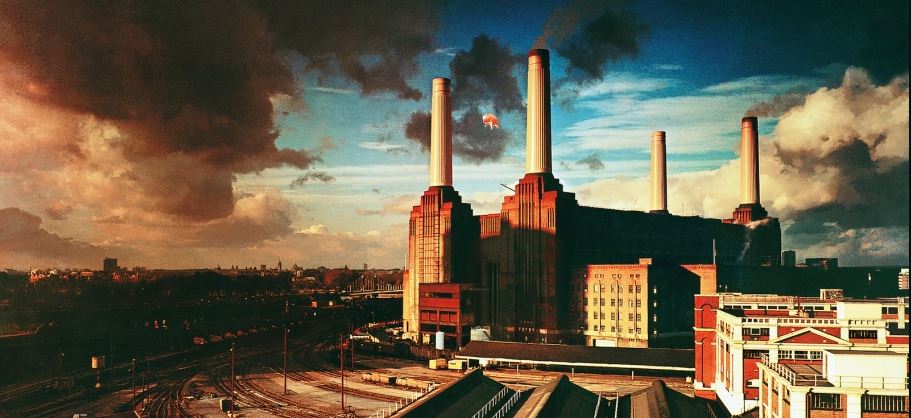
Animals 2018 Remix, with the Orwellian concept album also receiving its first-ever 5.1 Stereo Sound release. While the reissue doesn’t feature any bonus tracks, it does include a polished-up mix overseen by engineer James Guthrie of the original five-song album on CD, vinyl, Blu-ray, and SACD.
The late 1970s was a dark time for Britain, rife with unemployment, rising racism and industrial unrest. Despite emerging from disappointed 60s idealism rather than 70s defeatism, Pink Floyd’s Animals was as much a distillation of this darkness as The Sex Pistols’ Never Mind The Bollocks —an equally angry, equally nihilistic action to a dystopian era.
While hardly Pink Floyd’s punk album (punk albums do not contain four-minute synthesizer solos), Animals is initially an unprepossessing prospect for a Floyd fan. Bleak, misanthropic, musically monochrome, its bitter pill is unsugared by any of the Floyd’s lusher trademarks.
There are no harmonies — let alone female backing vocals — no saxophones, and even the sound effects are restricted to rather literale vocations of their titles. Amidst all this oinking barking and bleating, Animals’ music eschews the usual Floydean glide for something uncharacteristically up tempo and guitar-heavy.
What’s more, while the sweet-voiced Gilmour singsh alf of “Dogs”, Waters sings everything else by far his greatest vocal input thus far, this first usage of his sneering, slightly hysterical whines separating the sheep from the goats.
Conceptually Waters brusquely simplifies George Orwell’s Animal Farm, to divide the human race into pigs, sheep and dogs — essentially the ruling classes, the masses and those who manage to work the system. With these characterised by greed, clueless conformity and murderous self-advancement respectively, Waters’ corched earth disgust is tempered only by the book-ending, almost-love song “Pigs On The Wing”, though even here there is something Waters’ mordant tones — and the title’s intimation of the expression “pigs might fly” — that doesn’t sound entirely hopeful.
As such Animals’ concept manages to be both crude and unclear — pigs being employed as symbols of both hope and oppression. And that’s not the full extent of Animals’ flaws: “Pigs On The Wing” is a somewhat throwaway strumalong; the monotonous, one-chord chorus of “Pigs (Three Different Ones)” doesn’t match its stinging verse, while the equally musically mono-dimensional “Sheep” is severely overextended. Even so, Animals has surprising staying power: there’s a magnetism to its monochrome world, a compulsion to its grim, caustic humour, while there’s also a subtler musicality discernible beneath its simplistic surface.
Deprived of its traditional trademarks, the classic Floyd enigma takes time to emerge, but it’s here: in the dreamy intricacy of the melody of “Dogs” and in its hallucinogenic, vocodered barking section; in the intro keyboard noodlings of “Sheep”; even in the churchy organ and oinking sections of “Pigs”.
But herein lies not so much Animals’ soft underbelly as its hidden claw: the whole album can be seen as a caustic upending of the cuddlier aspects of previous Pink Floyds. “Pigs” goes one further than the cynical recycling of “Money” on “Have A Cigar”: by contemptuously recycling the latter’s chord sequence verbatim, “Dogs” is a grotesque mutation of Meddle’s “Seamus” and “Sheep”, a twisted take on Pink Floyd’s patented pastoral, a wolf in sheep’s clothing. This musical “fuck you” to a more innocent, more hopeful, post-60s past makes it a perfect match to the album’s cynically sneering concept. But if this seemed dark, Animals proved only the first missive in a miserable trilogy: Pink Floyd were about to get a whole lot darker.
The Cover
For the first time in nearly ten years, Pink Floyd were unimpressed by Hipgnosis’s ideas. Among the images rejected was that of a small boy Interruptingh is parents having sex. Waters, unsurprisingly provided the solution. Driving every day to Britannia Row, he passed Battersea Power Station. An imposing 1930s art deco building on the river’s south bank, designed by Sir Giles Gilbert Scott (who also designed the red telephone box), it had long been defunct. Waters decided they needed a shot of the station with a 40-foot inflatable pig flying by —an allusion to “Pigs On The Wing”.
The cover design could have been created in the studio, but Thorgerson — ever in pursuit of verisimilitude— had it done for real on December 2, 1976, with an inflatable pig constructed by Zeppelin-makers Ballon Fabrik. The press were invited to observe and a marksman was on hand should the pig break free.
There wasn’t, however, sufficient helium for lift-off and so the team reassembled the next day, sans marksman. On this occasion, the pig did indeed break free, and was carried off by the wind. Reports that it was picked up by air traffic control at Heathrow Airport are erroneous: the pig later landed safe and sound in a farmer’s field. So, Hipgnosis had to mock-up the pig flying past the power station in the studio after all. So much for verisimilitude.
The Wall (1979)
When Roger Waters spat in a fan’s face in Montreal on Pink Floyd’s 1977 stadium tour, he dramatically broke with the Floyd’s established, coolly English indeed, phlegmatic detachment from messy emotional display.
Waters had already begun this work with the generalized anger of Animals, but the spitting incident sparked the cathartic, primal scream of unleashed emotion that is The Wall: this time it was personal. Ostensibly the story of a rock star called “Pink Floyd” (oh, come on!) who builds a psychological wall between himself and the world, the album is more a platform for Roger Waters to spit figuratively upon everyone in his immediate line of fire — parents, teachers, wives, groupies, bandmates, himself and, yes, those pesky fans as well.
That such a concept was embraced so wholeheartedly by millions reveals less mass masochism than how carefully Waters tailored his disgustto appeal to the very masses he reviled.
For compared to the relatively adult Dark Side Of The Moon or Wish You Were Here, there is something so fundamentally teenage about The Waltlh at it must have been intentional — Roger Waters was after all a 36-year-old man. The whinge in about teachers and parents, the “it wasn’t me!” offloading of responsibility, the fearful distaste for female sexuality, and perhaps even protagonist Pink’s flirtation with fascism— all are guaranteed to give any red-blooded teen a frisson. More specifically, American teens.
Although the use of iconic US TV shows as sound effects throughout The Wall could be regarded as simply documenting the arena rock hotel life Waters is satirising, the use of American vocabulary (“space cadet”, “mama” “break my balls”), and stronger-than-ever US accents throughout (all soft Ts and dropped Gs) most definitely cannot. Furthermore, just to make sure Pink Floyd properly pushed American buttons after Animals’ relative failure, the employment of stadium rock hit-maker Bob Ezrin as producer gave the album a stadium – filling sound that with stood comparison to previous Ezrin clients — and US heartland hits— Alice Cooper, Aerosmith and Kiss.
But as silly, self-indulgent and just plain unpleasant it can be, The Wall works. For all that Rick Wright decried its monotony, The Wall is considerably more musically varied than, say, Wish You Were Here. Yes, it encompasses its fair share of bombastic stadium rock (“In the Flesh?” “Young Lust”), but also features disco (“Another Brick”, “Run Like Hell”), delicate folk (“Goodbye Blue Sky”), Beach Boys vocal harmonies (“The Show Must Go On”, “In The Flesh”), and —sneaking arty touches in by the stage door —T in Pan Alley tune smithery (“Nobody Home”), 1940s pop (“Bring The Boys Back Home”) and even Gilbert and Sullivan operetta (“The Trial”).
What’s more, The Wall is packed with even more aural treats than Dark Side Of The Moon: orgies of orchestration, bipping, parping, electronics, and whole layered, wedding cakes of backing vocals. And there’s a stunning panoply of sound effects: helicopters, aeroplanes, Waters’ deranged Scottish screaming, babies crying, groupies gushing, and that constantly squawking television set in Pink’s hotel room as the singer sinks into navel-gazing catatonia. Then there are the guitar solos, David Gilmour suddenly sounding like something Pink Floyd had never had before: a virtuoso. If Gilmour’s guitar work is a many-faceted delight throughout (his spiralling, echo-drenched playing on “Another Brick Part 1” alone is astonishing) on “Another Brick in the Wall Part 2” and “Comfortably Numb”, it’s as good as electric guitar gets.
Indeed, if The Wall is Waters’ baby and Ezrin its midwife, then Gilmour can claim a vital nurturing role. His three compositional contributions include the album’s highlight (“Comfortably Numb”), a crucial enlivening of a slightly flat second side (“Young Lust”), and the musical high-point of the grim final quarter (“Run Like Hell”). And while Waters takes the bulk of the lead vocals, Gilmour’s singing sweetens the deal throughout: softening up “Mother”, sexing up “Young Lust”, lifting up the floundering “Don’t Leave Me Now”, and suffusing “The Thin Ice”, “Hey You” and “Comfortably Numb” with a soulfulness that subtly offsets Waters’ cynicism and allows some humanity to enter all that endless claustrophobic catharting.
In truth, the unrelenting cynicism and musical bleakness render The Wall’s last act a slog, but it’s saved by a certain viewed-between-the fingers fascination about quite how far Waters will go. For Waters makes a rather too convincing audience-goadingN azi on the reprise of “In The Flesh”; has rather too much fun rabble-rousing on the ungainly “Waiting For The Worms”; while absolutely inhabiting the parade of Freudian grotesque he portrays in the lurching mini-opera “The Trial”. Waters’ words may fit the music only by sheer bloody-mindedness, but “The Trial” compares to nothing much else in the entire history of rock, revealing the theatricality of Ezrin clients Alice Cooper and Peter Gabriel or even rock’s pantomime dame, David Bowie, as that of mere understudies.
When that’s followed by the crashing collapse of the Wall itself, and then the fragile, hymn-like “Outside the Wall”, the listener is left simultaneously exhausted and exhilarated, but —as a generation of grunge grumblers (Smashing Pumpkins, Nine Inch Nails) and its status as Pink Floyd’s second biggest seller at test – somehow changed.
As an edifice The Wall is not pretty, but it is pretty compelling. Over-the-top, unpleasant, and anything but phlegmatic, The Wall is ultimate a rather monstrously impressive monument to the cathartic power of rock music.
Release and reviews
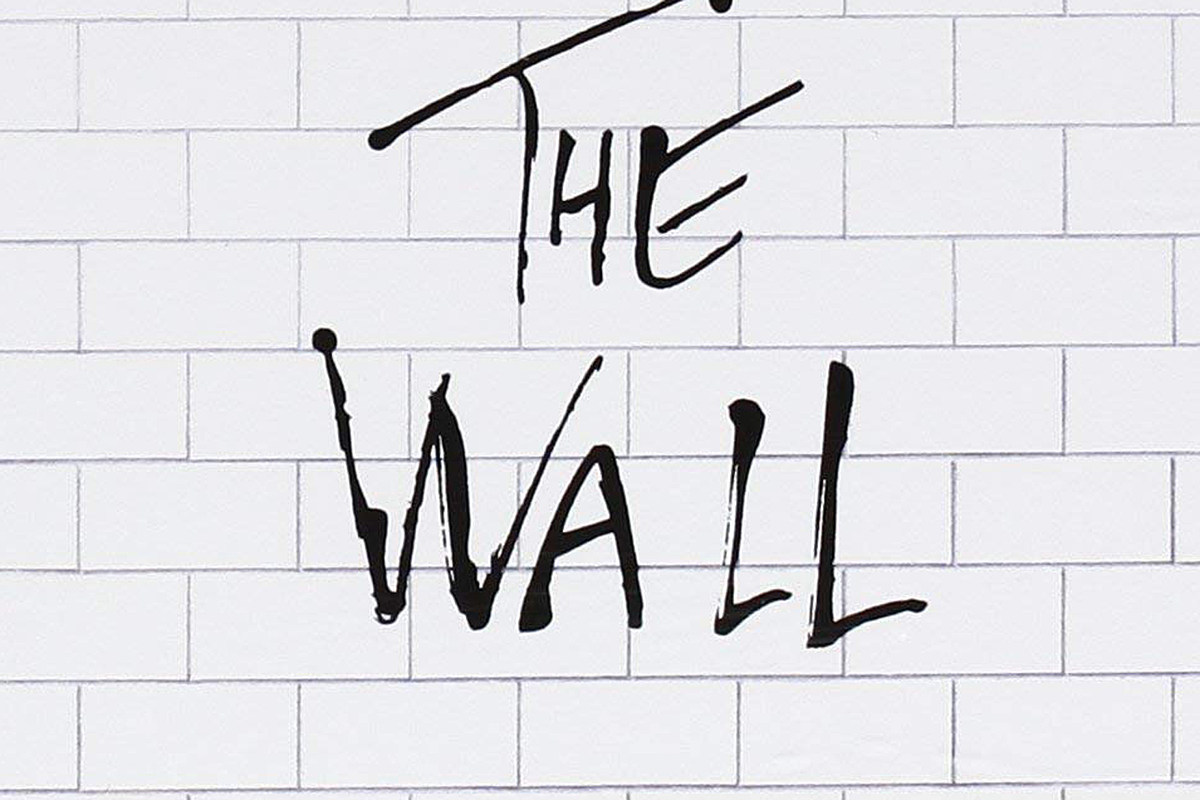
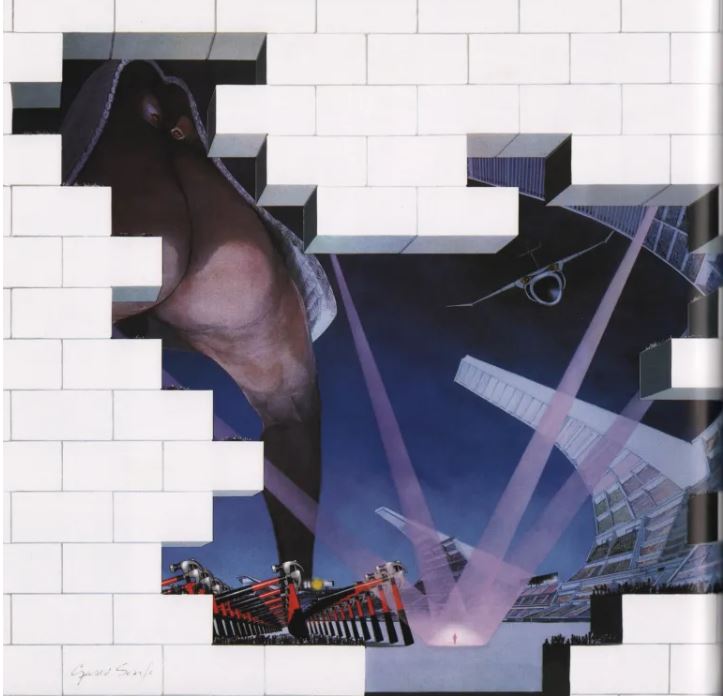
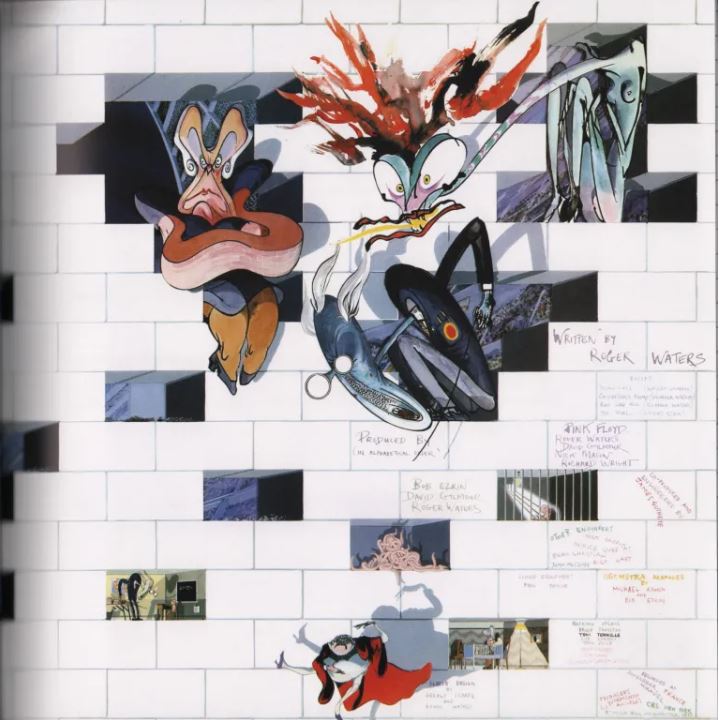
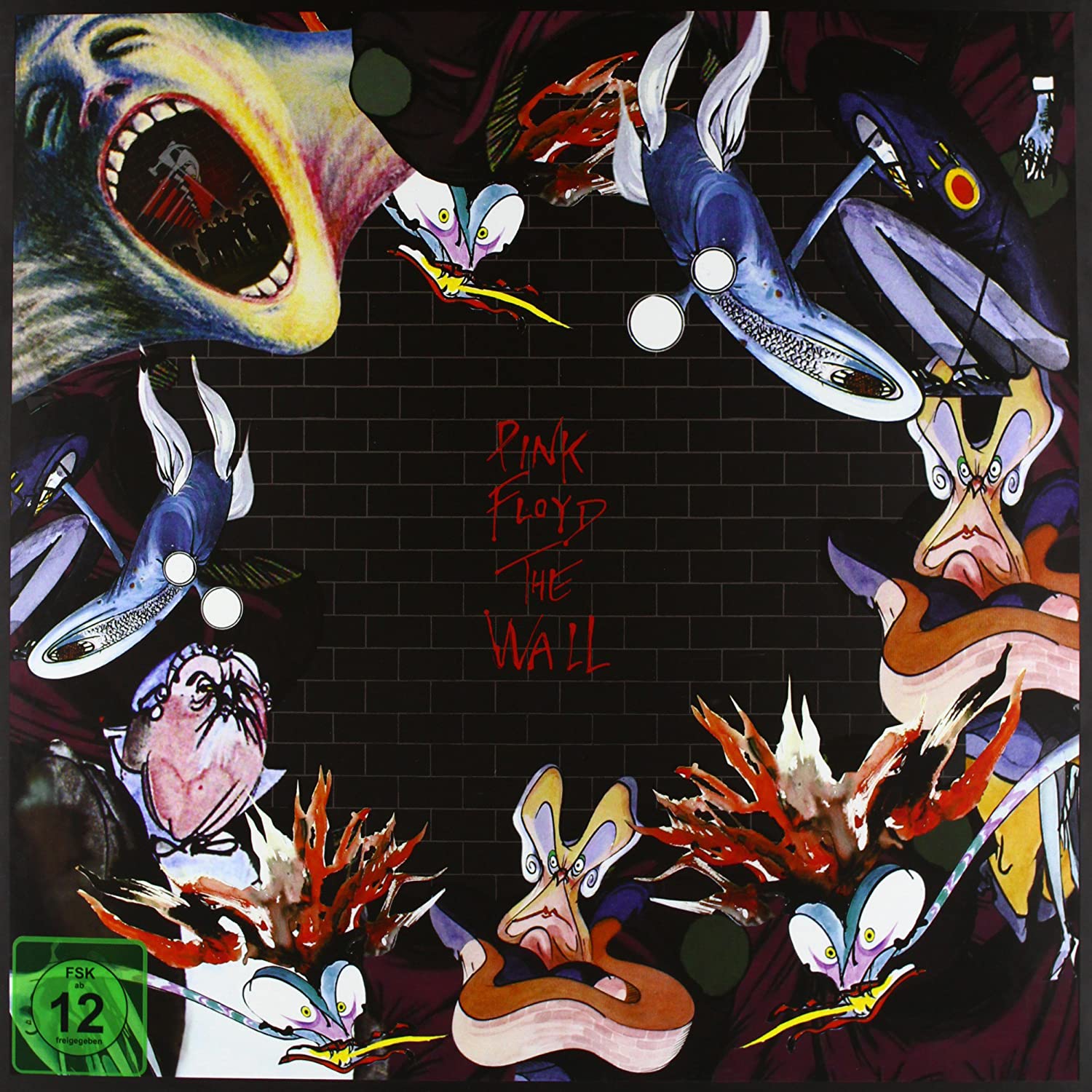
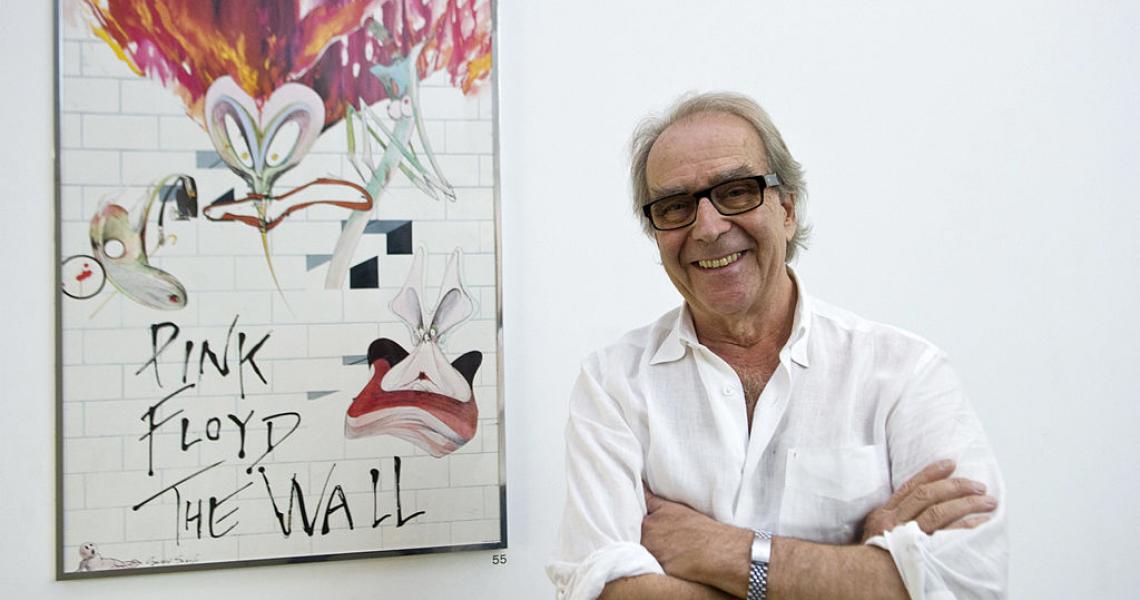
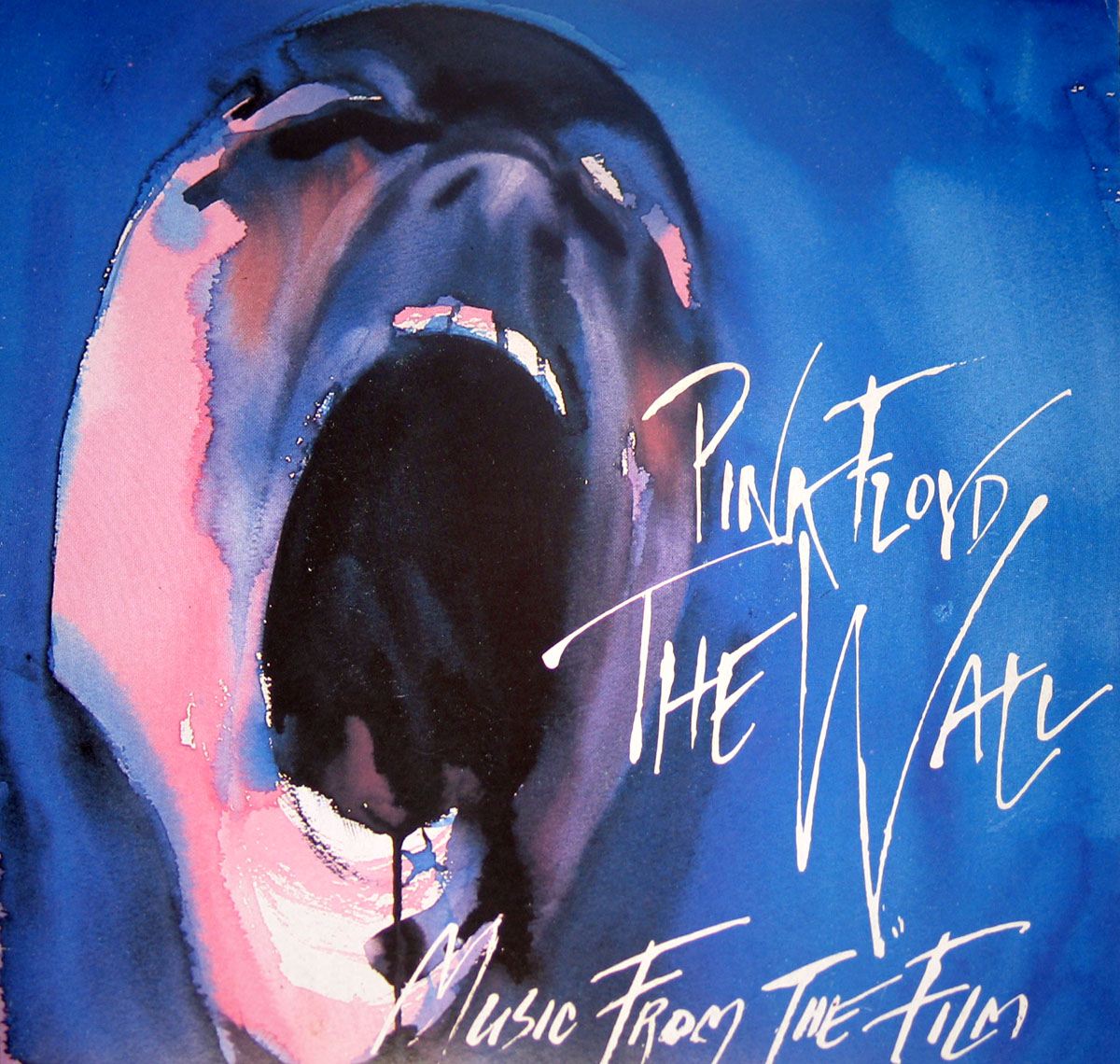
For The Wall’s cover, Hipgnosis were now passed over altogether. Gerald Scarfe, who’d been at work on animations for the stage show since spring 1978, got the gig instead, Waters phoning from his French villa to request a simple black-and-white cover, Scarfe being left to design the gatefold himself, adding manic splashes of cartoonesque colour. Because of a rather charged oversight, neither Wright nor Mason was credited anywhere on the package (later corrected). So up against The Wall were they that various last-minute changes to the running order also occurred, too late to correct on the sleeves.
If the situation wasn’t already sufficiently tense, there were now record-company sies. CBS haggled over percentages until the band threatened to withhold the album. The record company threatened to take it by force and then the studio was burgled. Just to fan the flames, CBS’s head of promotion reacted badly to the finished record, which had cost $700, 000 to make.
In the UK, “Another Brick In The Wall Part 2” was released two weeks ahead of the album proper as a trailer. The Floyd’s first UK single in eleven years more than did its work. The single went straight to #1 in the UK, and did the same upon release in January 1980 in the US. The single generated massive tabloid controversy.
The Daily Mail criticised the use of children from a school with a bad educational record singing an anti-education song. The News Of The World, meanwhile, accused the band of exploiting the children by not paying them a fee, nor even giving them complimentary copies of the album. Consequently, head teacher Margaret Maden banned the children from appearing on Top Of The Pops or in the promotional video.
The song also caused controversy in apartheid South Africa when it was adopted by black school children as part of a school boycott — single and album both being banned by the government. And in the final act of controversy, in 2004, original choir members were persuaded to claim for performing royalties.
Despite headlines stating they were suing Floyd, they were instructing the Performing Artists Media Right Association to collect royalties on their behalf.
The Wall was released on November 30, 1979, shifting a million copies in its first two months, and hitting the US #1 (where it stayed for 15 weeks). In the UK, where, post-punk, the Floyd were still unfashionable, it landed at #3. British reviews were unanimously bad, Melody Maker saying, “Waters might wear his heart bravely on his sleeve, but he often ends up with his feet in his mouth, choking on his own platitudes…” NME called it a “seamlessly fatalistic piece of work” a monument of “self-centred pessimism— hopelessly clichéd”. In the US Rolling Stone called it “unremittingly dismal and acidulous”, but with “a stunning synthesis of Waters’ by now familiar thematic obsessions that leaps to life with a relentless lyrical rage”.
Indicative of Floyd’s importance beyond the rock market, even Time magazine afforded the album space, describing Waters’ lyrics as “a kind of libretto for Me-decade narcissism”, saying “the album may succeed more on the sonic sauna of its melodies than the depth of its lyrics.”
The Wall went on to sell 23 million copies. “I thought it was a very good concept at the time,” Gilmour has since said. “With the benefit of hindsightI found it a bit whingeing.”Mason also has reservations, but calls it “an extraordinary piece of work”. The Wall is, however, Waters’ favourite Pink Floyd album. Citing the “extraordinary coincidence” of twice gaining mass success (with Dark Side and The Wall), Waters believes he tapped into some kind of universal consciousness. “I experience the fact of writing as a kind of passive experience. I’ve often had this pregnant feeling that it’s allowing this thing to come out that’s only partly to do with me.”
The Wall Movie
While the tour was underway, Waters pitched the idea of a film of The Wall to EMI’s film division. To his surprise, they declined. Realizing that the name Pink Floyd, all-conquering in the world of music, wasn’t sufficient in the film industry, Waters decided he needed an insider onside. He contacted British director Alan Parker.
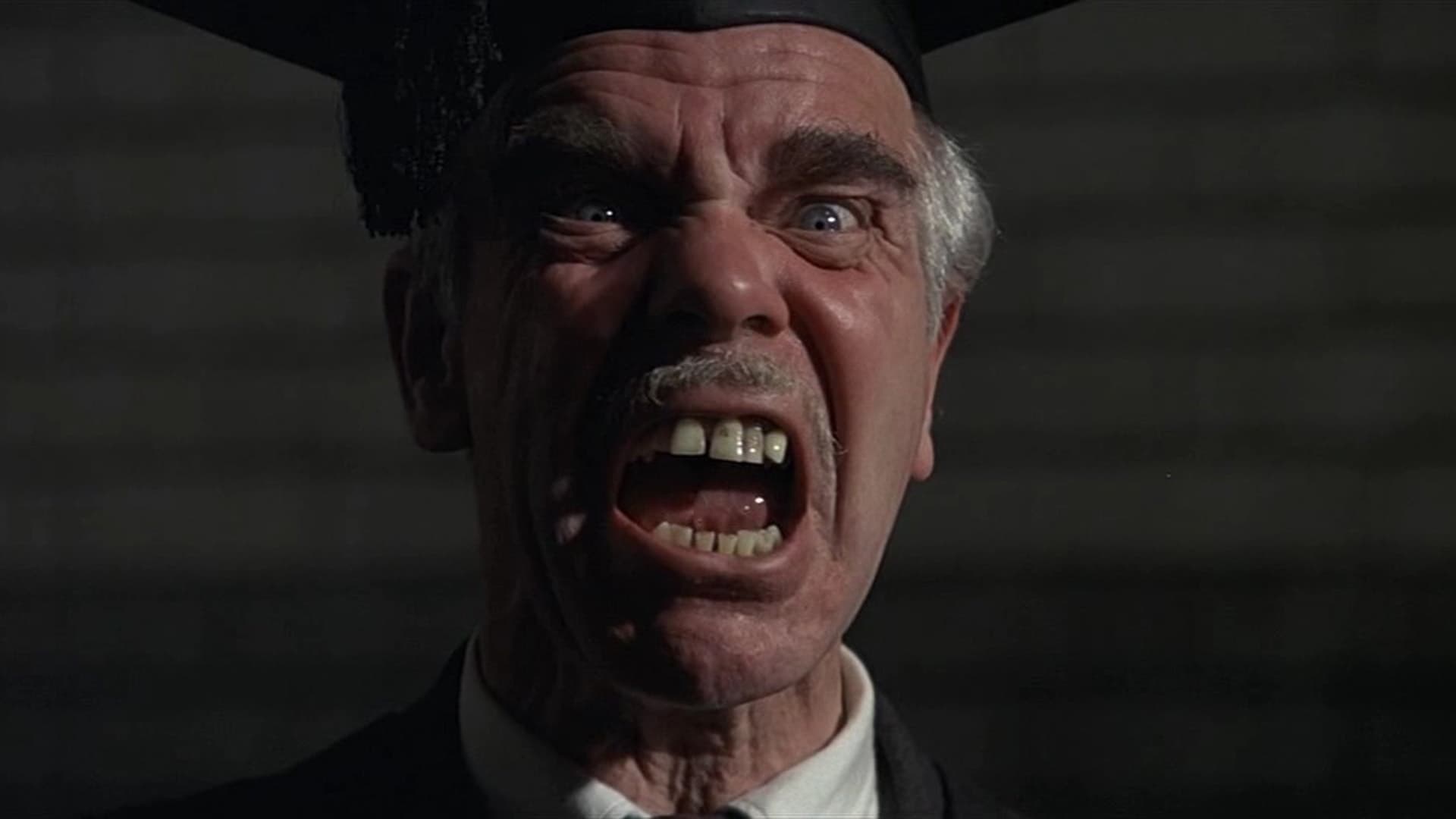
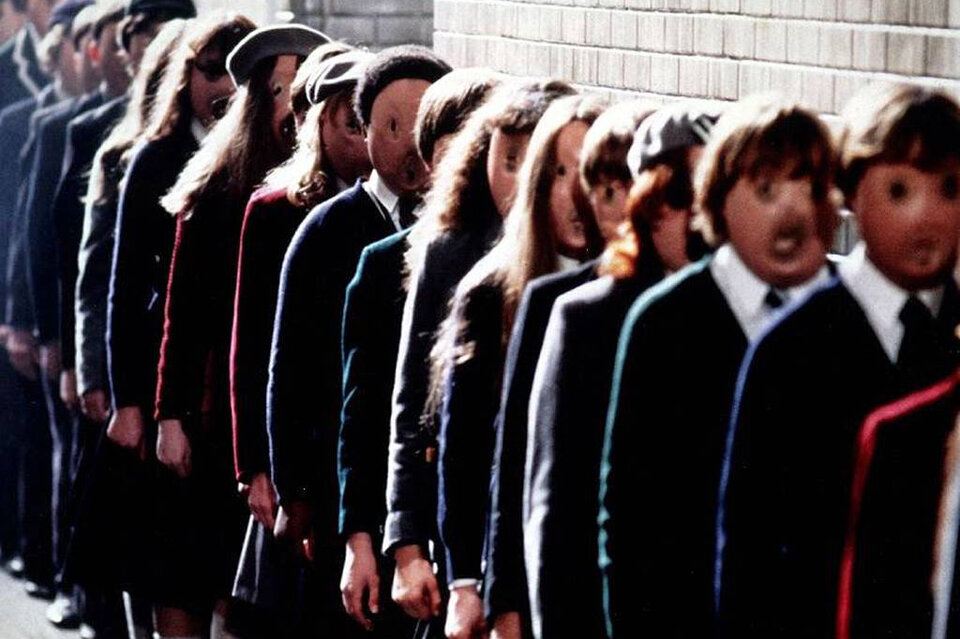
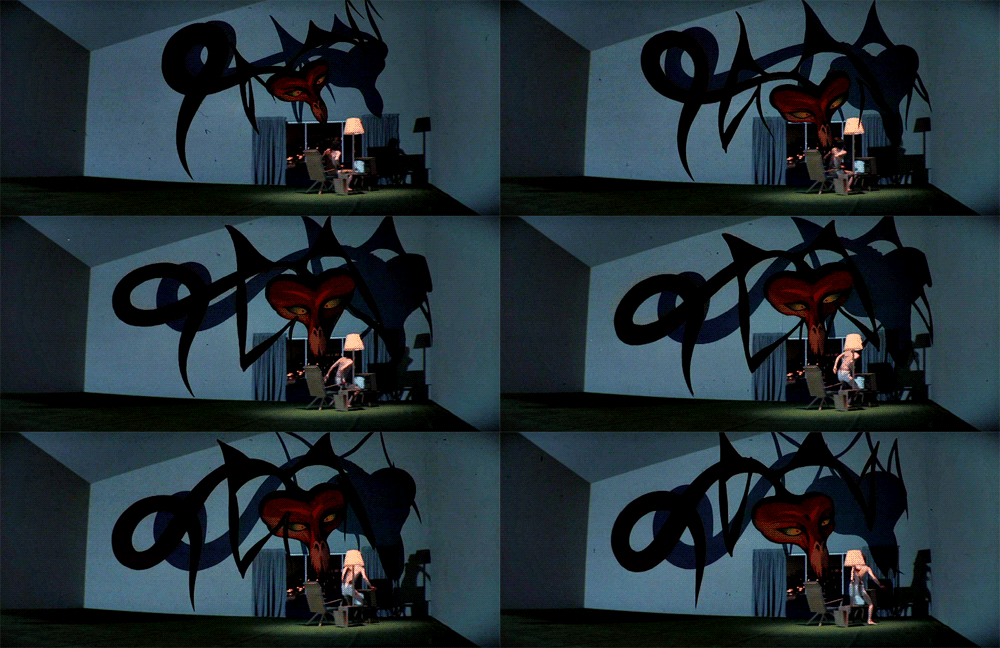
Parker came into film via copywriting adverts, ending up directing slick commercials and going on to write and direct Bugsy Malone in 1976 and the hit Midnight Express in 1978, receiving Oscar nominations for Best Picture and Best Director. His next film Fame, spawned the hit 1980s TV series. When Waters approached him, Parker was impressed both with the concept and the “weird psychopathic quality” of Scarfe’s animations, and agreed to be the producer of the project. Flying to Dortmund to see the live shows, Parker was struck by Waters’ “almost demonic control of the proceedings”.
Waters wrote a screenplay and, in February 1981, Parker, Waters and Scarfe put together a seventy-page book to sell the film to backers. This synopsis had Waters as lead character and included such scenes as Pink being “kneed in the balls by anonymous people on tube trains”, during “Comfortably Numb”, as well as ample live Floyd footage. Scarfe’s primary contributions were a lyrical World War Il animated sequence for “Goodbye Blue Sky” and the grotesques ” recalls of “The Trial”. “It was all very hazy, Scarfe, “we didn’t know what it would be.
Parker appointed his long-time director of photography, Michael Seresin as co-director with Scarfe, but attempts to film at Earls Court that June were disastrous. “The rushes looked like they’d been shot through soup,” said Parker. “With five live shows it had five chances, all muffed.” Parker decided that the solution was to direct the film himself, dropping Seresin, along with the live sequences, redeploying Scarfe as designer, and engaging his usual producer, Alan Marshall. Parker was apparently unconvinced by Waters’ acting abilities— and so the search began for a new Pink. Struck by his “dangerous quality and physical unpredictability”, Parker approached Bob Geldof, singer with the Boomtown Rats, who’d recently had two 1 UK hits with “Rat Trap” (October 1978) and “I Don’t Like Mondays” (July 1979).
When told of the offer in a cab, punk-reared Geldof reportedly said, “Fuck that. I fucking hate Pink Floyd.”
Bizarrely, this conversation was overheard by Roger Waters’ brother, who, by an astonishing freak coincidence, was driving the cab Keen to break into film, however, Geldof was persuaded to screen test, despite seeing Waters’ lyrics as “social-conscience-stricken millionaire leftism”. Although Waters was doubtful, Geldof got the role, Waters having to content himself with a cameo as a witness at Pink’s wedding.
MGM now agreed to back the film if Pink Floyd underwrote the final cost. Parker assembled a team, among them Tommy and Quadrophenia choreographer Gillian Gregory plus actor Bob Hoskins and a young Joanne Whalley playing a groupie. Almost no one had a speaking part.
There had been intense rivalry between Waters and Parker from the start. “We were all paranoid, all under stress, three megalomaniacs in a room together,” described Scarfe. Waters viewed Parker’s direction as too mainstream, although some of his own ideas (the crowd’s heads blowing off at the rally, for instance) proved unworkable. Waters called it “the most unnerving, neurotic period of [his] life, with the possible exception of [his] divorce in 1975”. Eventually Parker effectively banned Waters from the set by suggesting he take a sixweek holiday at the start of the shoot.
Filming began on September 7, 1981, at Pinewood Studios (the sign on Parker’s door read, “just another prick on The Wall”), the concert scenes were filmed at Wembley Stadium, and the wartime Italian beach scenes were shot on Saunton Sands, near Barnstaple, Devon. In the usual spirit of Floyd recycling, this same beach was later redeployed on the cover of Momentary Lapse Of Reason. The rally was filmed at the Royal Horticultural Hall, Victoria, with its authentic fascist style architecture. This scene featured real skinheads, and there were small skirmishes between them and Floyd fans hired as extras.
Geldof proved a success — dedicated, with a physical and facial expressiveness perfect for the part. Waters conceded, “He’s doing it a hell of a lot better than I ever could have done.”
But when Waters returned at the editing stage, the tensions erupted, with Waters walking off the film and Gilmour having to act as unlikely conciliator. “It was a nightmare,” Waters said. “We just screamed and screamed at each other.” Parker was film, later calling it, drained by the file, later calling it, “one of the most able experiences of my creative life”.
When it came to the soundtrack, left alone to tweak various songs for the Parker agreed to add “When the Tigers…” a solo Waters performance, alongside Michael Kamens’ Oechestrations and the Pontardulas Male Voive Choir as an overture to the film. Released as a single in August 1982, the bleak, uncompromisng song unsurprisingly failed to confirm Pink Floyd as pop hit-makers, limping to #39 in the UK chart.
Waters’ ultimate view of The Wall film was that it was “unremitting in its onslaught upon the senses” and thus uninvolving. “I felt, who gives a shit?” The film was released was released on July 14, 1982 under the tagline, “The Memories, The Madness, The Music…The Movie”. Reviews were poor, Monthly Film Bulletin calling it “a vacuous, bombastic amd humourless piece of self-indulgence”, Sight & Sound dubbing it a “feature-length TV commercial”, in which “Waters flounders woman-hating self-pity”. Time Out said, “All
in all, it’s just another flick to appal.” While the film was given an AA rating (over 14’s) in Britain, The Motion Picture Association of America gave it a limiting R (Restricted) rating upon its release in the US on Aug 6, 82. Even so, the film grossed a respectable $22.24m and went on to accrue cult status in the video age.
Although Parker, Hoskins and Whalley all went on to further success in the industry, Geldof only made one more film, the flop Number One (1985), before his attentions were famously diverted elsewhere. In his capacity as Live Aid/Live 8 organiser Geldof would, of course, play an unexpectedly large
role in Pink Floyd’s later history.
The Wall is a curious beast: a drama with almost no dialogue, a rock opera with no libretto, a live action film that keeps switching to animation. Its only obvious precursor, Ken Russell’s Tommy, at least featured musical dialogue.
But The Wall album is a series of interior monologues, right down to the voices of Pink’s mother (in “Mother”) and the Judge (in “The Trial”). Only the doctor (in “Comfortably Numb”) is given his own musical voice. In the film, this serves to highlight the album’s selfindulgent subjectivity, its inability to escape the scrambled, ugly mind of Pink.
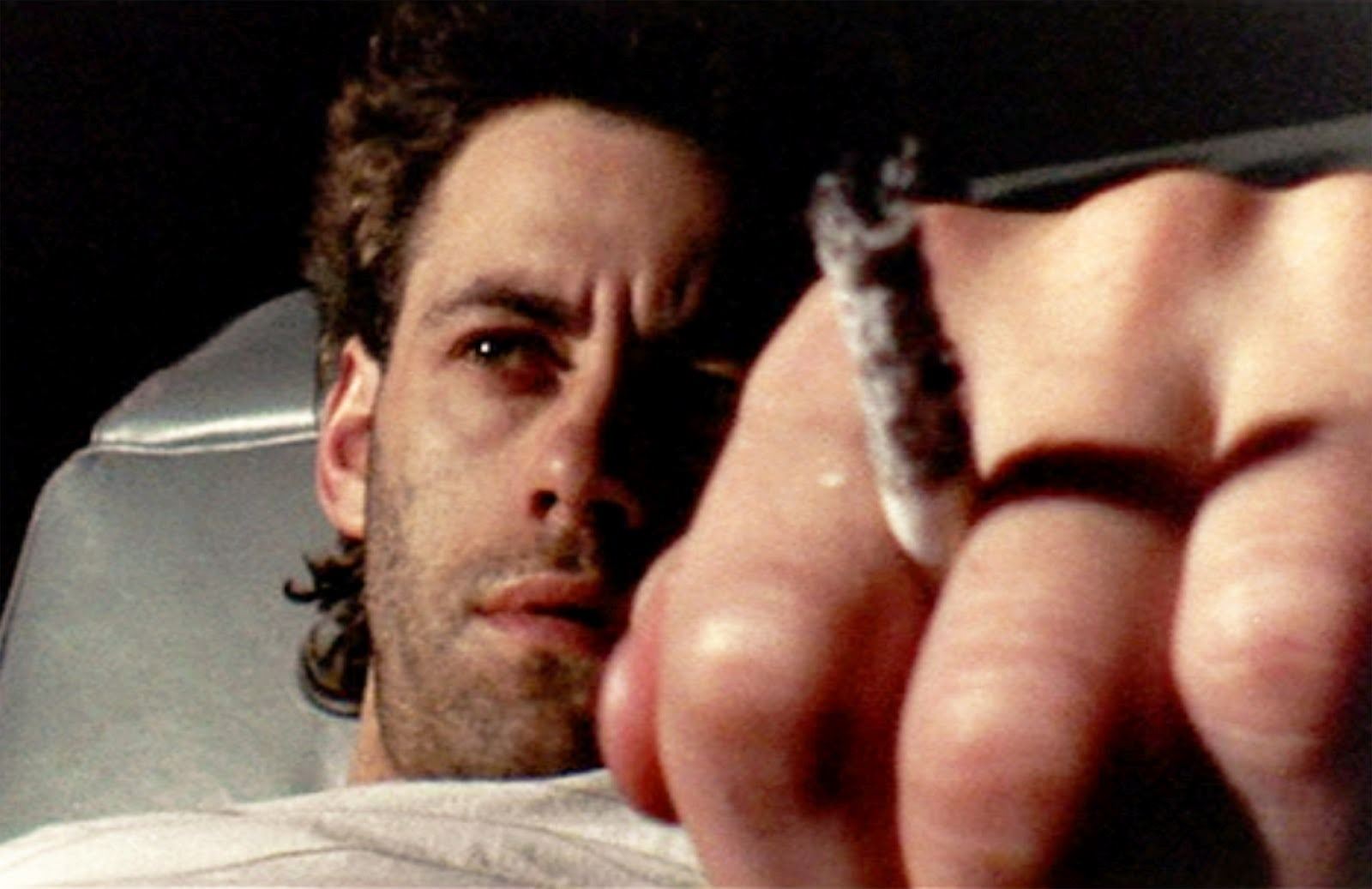


The film also inadvertently highlights how the album’s few spoken word sections jar with this internal monologue approach: in the film, the groupie on “One Of My Turns” sounds mechanical, and the film’s donation of an additional spoken passage to the teacher (Alex McAvoy) —the ridiculing of young Pink’s poems – is just plain embarrassing.
The “poem” is the second verse of “Money” which, read aloud, rather proves his point.
The film’s other key break into dialogue is equally awkward, as Pink, in prison, mumbles a medly of Waters’ lyrics (Pros Alid Cons’ “The Moment Of Clarity”, The Final Cut’s “Your Possible Pasts” and “Stop!”). Couldn’t we have had a break front Waters’ words?
Even the more moving scenes can’t transcend this mismatch between visuals and music: the song “When The Tigers Broke Free” simply tells what the film’s opening sequence shows. And as for the most praised aspect of the film — Scarfe’s animated sequences — they never quite gel with the live action, which essentially involves Geldof stumbling from music video to music video with lots of shots of blood and mud between. Rather than criticizing Geldof’s performance or Parker’s direction, it’s questionable whether The Wall should ever have been filmed at all.
The Wall Tour
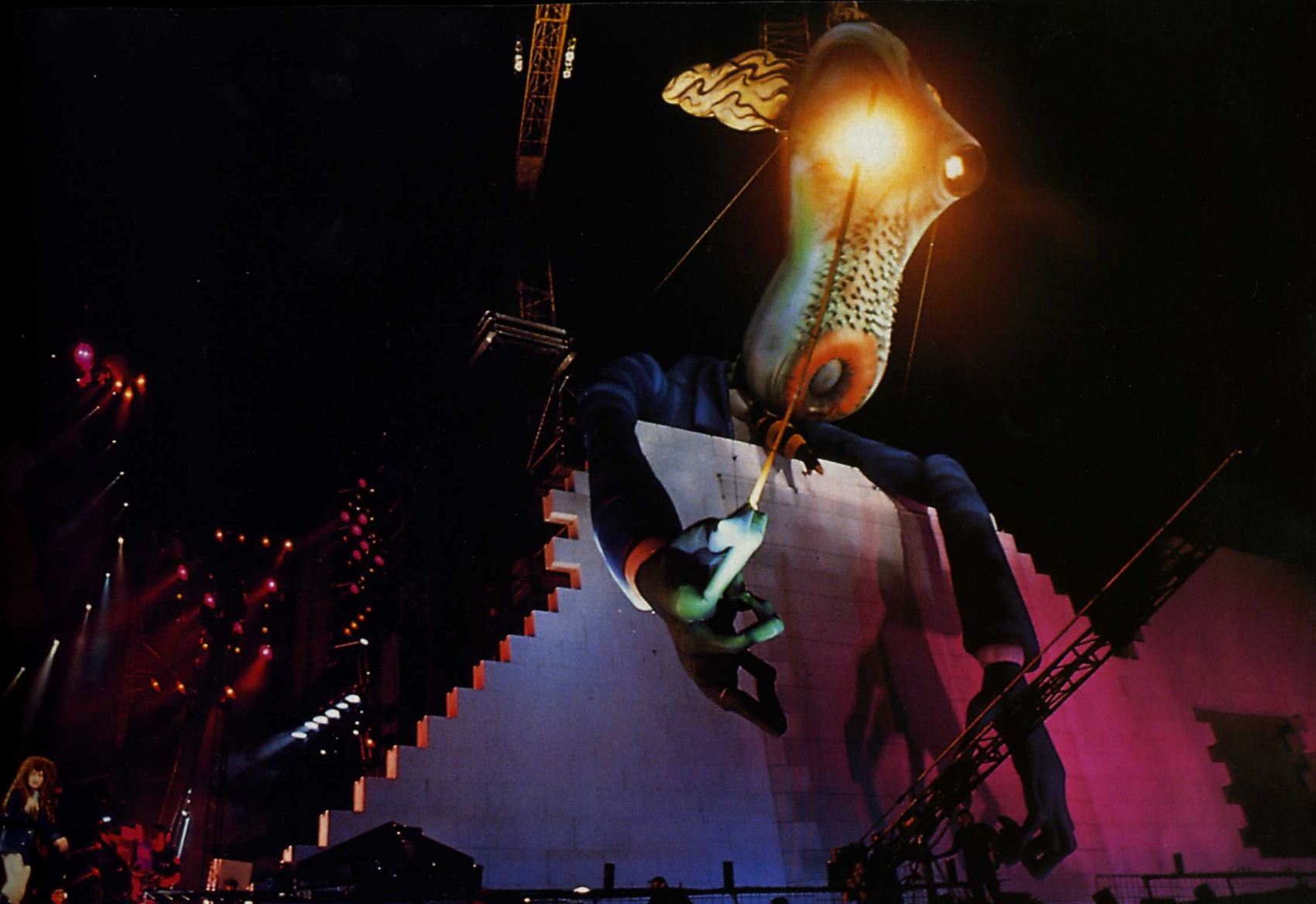
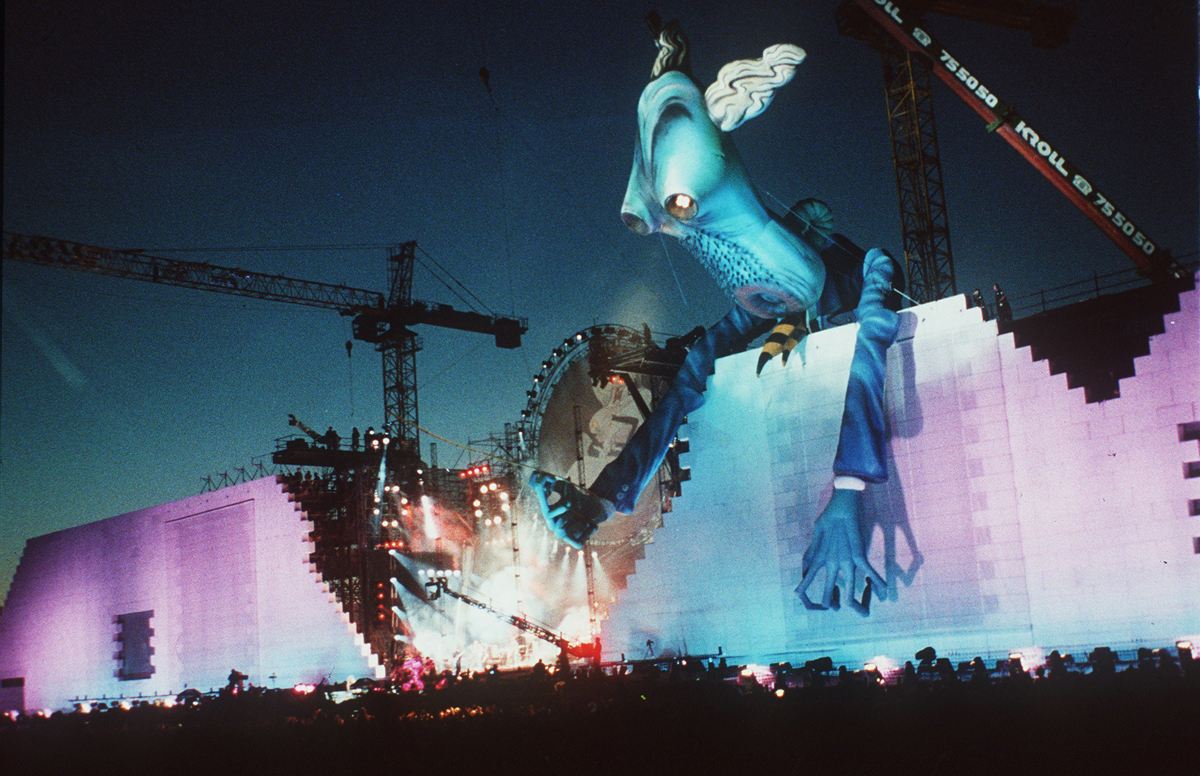
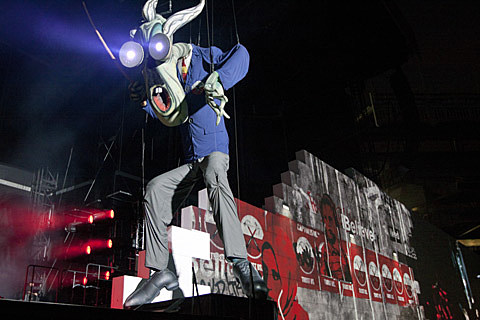
Plans for The Wall live shows went back to the album’s conception. Initially the idea had been simply to have a huge wall between band and audience, but the concept gradually metamorphosed into something completely different. At work since January, Mark Fisher and Jonathan Park visited the Floyd in France in summer 1979 to present sketches. Scarfe, meanwhile, created animations to project onto the wall, and inflatables were made of Pink’s mother, his wife, a schoolmastera nd a judge, with the mother depicted as a grotesque harridan whose arms turned into bricks and the wife a harpy with flaming hair — reflecting an underlying misogyny in the concept. Scarfe also had the task of visualizing Pink himself, who he conceived as “a vulnerable pink prawn a creature without his shell”.

As the band prepared for the live show, Waters and Ezrin suddenly had a falling out. Interviewed by a friend from an American magazine, Ezrin leaked details of the show. A breach-of-contract suit was threatened. He was also banned from the shows, though in the event he paid for his ticket and watched it in New York, where he was reduced to tears (by the emotional content, that is, not the animosity of his former clients).
The show was rehearsed for two months at Culver City Studios, LA, with Gilmour as musical director and James Guthrie as sound engineer. Oddly, Rick Wright was now hired as a session musician on a fee. It opened with the “surrogate band” dressed in grey – Peter Woods on keyboards, Willie Wilson (formerly
of Gilmour’s Jokers Wild and Quiver) on drums, Andy Bown on bass and Snowy White on guitar — each wearing life-masks of the real Floyd’s faces. They then served as backup musicians for the rest of the show. Bown recalls everyone being made very nervous by Waters’ arrival after working with the “very approachable” Gilmour. Andy Bown broket he ice, after Waters played a bum note, by saying, “If you’re going to play like that, I want smaller billing.” The pair became friends. “He likes it better if you stand up to him,” says Bown.
The 33ft-high wall of cardboard “bricks” was built up during the performance, with the last brick being placed at the end of “Goodbye Cruel World”, before the intermission. After initial performances of the second half were deemed static, two new sequences were added.
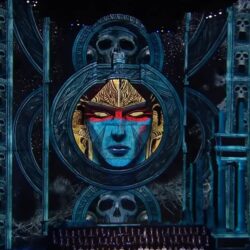
For “Nobody Home”, a gap opened in the Wall to reveal “Pink” (Waters) in his hotel room, audibly flicking TV channels, and for “Comfortably Numb” Gilmour dramatically played his solo on top of the wall. The climax was the wall’s destruction, the entire cast then playing “Outside The Wall”. The Wall was performed only 29 times in all, deliberately targeting “small” 16,000-seaters rather than the enormo-dromes that had partly fan sparked the concept. This was in spite of an offer of a million dollars to play Philadelpia’s RFK Stadium. When Waters refused, the other three considered doing the show with Bown covering Waters’ parts. The plan came to nothing, and the actual shows comprised five nights in LA, four at Nassau Coliseum in New York, five at Earls Court (released as Is There Anybody Out There twenty years later), seven in Dortmund in February 1981, plus four more at Earls Court from June 13 to 17 to allow Scarfe and Michael Seresin to shoot footage for the film.
For the band, however, the writing was now well and truly on the wall. Backstage each member had an individual Portakabin. They also had individual after-show parties. The irony of The Wall was that, with the shows so phenomenally expensive to stage and the band losing $45,000 a night, Rick Wright collected a (substantial) session fee regardless, as a hired hand. It must have provided a small, sad consolation to the estranged keyboard player who saw these shows as a “kind of final goodbye”.
He confesses: “I’m not sure how I did it. I must have completely blanked out my anger and hurt … In the English stiff upper lip manner, we just got on with the job.” To cap this irony, these shows actually proved to be not Wright’s goodbye but more Waters’. He wouldn’t play another show with Pink Floyd for 25 years.
Comfortably Numb
Musically, “Comfortably Numb” is signature Pink Floyd for its rich harmonies, its gliding 4/4 pace and its two astonishing Gilmour guitar solos. It is also signature at this stage of the Floyd’s career for the complementary contrast of its co-writers’ voices. Gilmour plays the catatonic Pink, unable to perform, yearning for the simplicities of childhood; Waters, playing the dodgy doctor, is sardonic and a little threatening, cynically pumping his million-dollar patient with drugs to get him through the show.
When John Lydon paraded around in a “I Hate Pink Floyd” T-shirt in 1976, it would have been impossible to imagine that a mere three years later, these two opposing poles should find themselves on a similar musical alignment. Public Image Ltd’s July 1979 UK hit, “Death Disco” was the most commercially successful of a number of new wave disco subversions from bands such as Gang of Four and Throbbing Gristle, the song later giving its name to an entire 21st-century subgenre. Strangely, in the same year, Pink Floyd produced “Run Like Hell”, a similar subversion of that most feelgood of all genres.
“Run Like Hell” provided a crucial enlivening of The Wall’s somewhat leaden last quarter, and would be a regular in post-Waters set-lists. It also inspired Ezrin to redeploy the disco trick on “Another Brick In The Wall Part 2” to still mildly subversive, but considerably more commercial ends.
Although Pink Floyd can often appear curmudge only, it’s worth noting that, unlike Led Zeppelin, they have never rejected or refused to play their signature song. And if ever there were a signature Pink Floyd song, it is “Comfortably Numb”. Remaining rightly proud of it, all permutations of Pink Floyd, and both of its authors, have included it in every set-list since its creation, right up to choosing it to climax their Live 8 reunion.
Pink Floyd Live
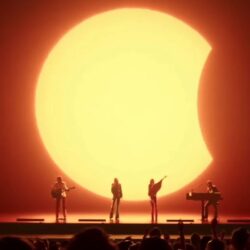
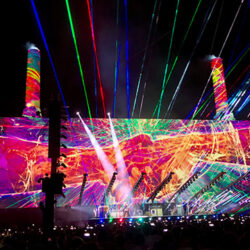
Is art the majesty of the live performance that musicians present? If this is the case then the Pink Floyd performances are some of the best there is. Even their more historic performances stand the test of time (so far). Pink Floyd spent much of the tour money on the performance; famously Rick Wright who was ‘fired’ from Pink Floyd was the only founding member to have made money out of The Wall tour as he was a paid musician where the other members had to cover the costs of the shows themselves.


Muscially, The 1994 Pulse tour is said to be the best version of Comfortably Numb ever recorded (live or studio):
Roger Waters
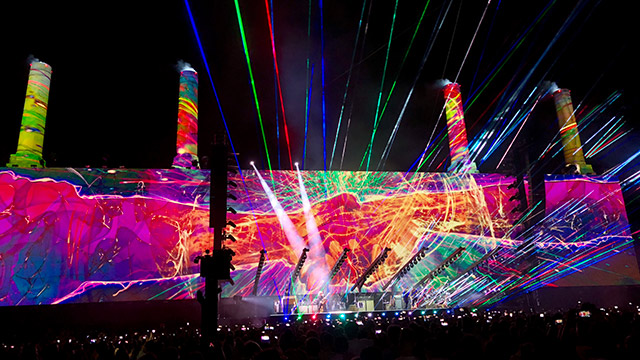
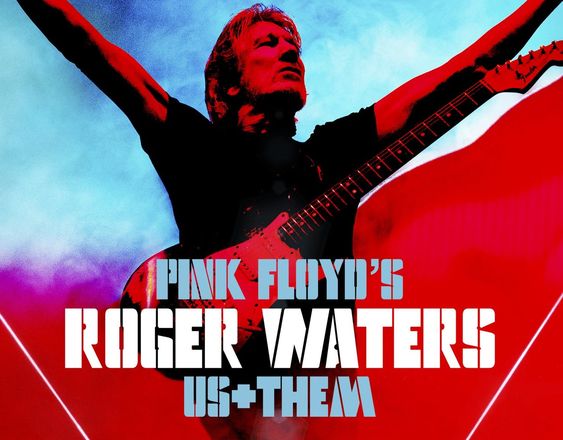
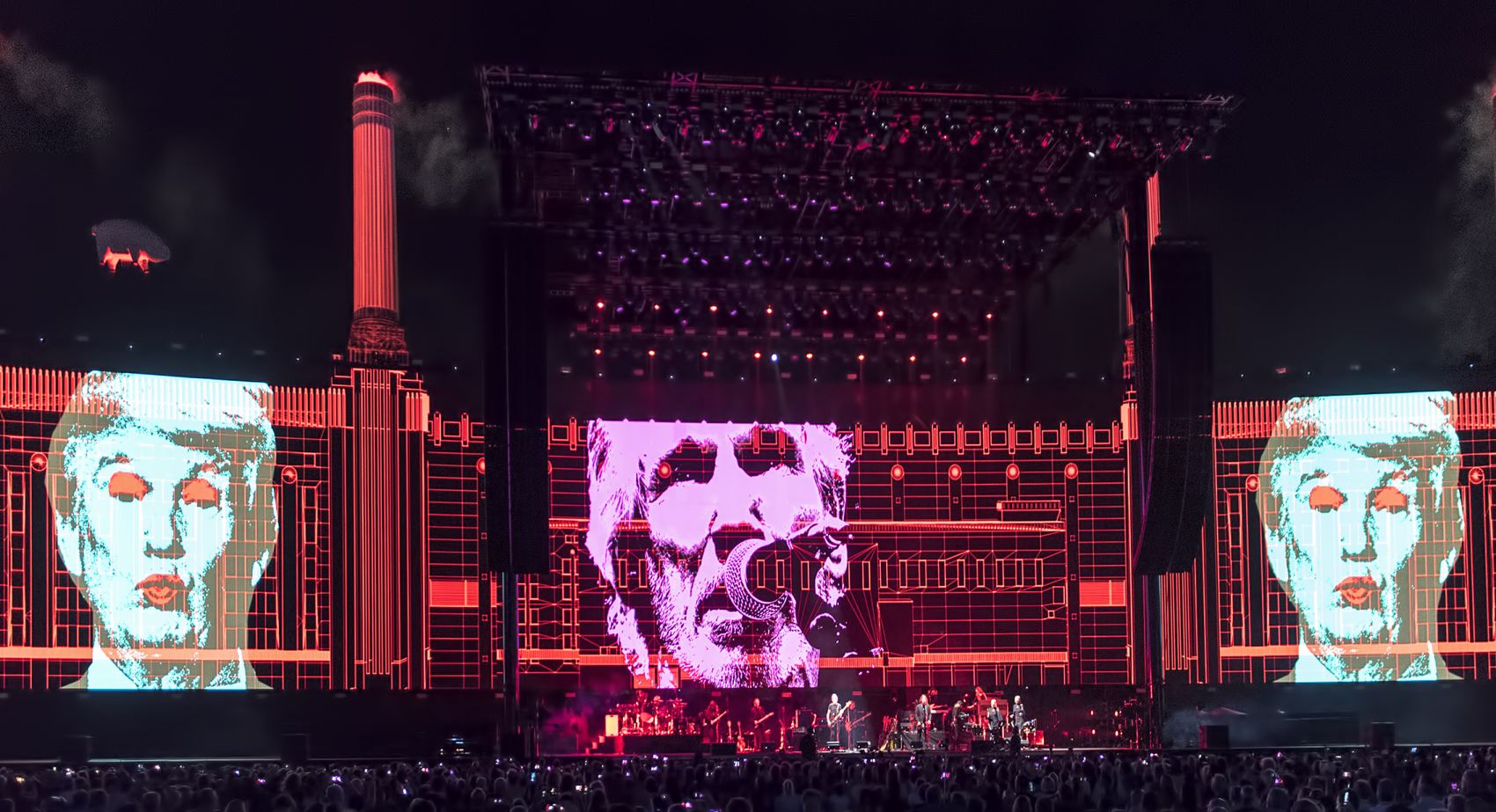
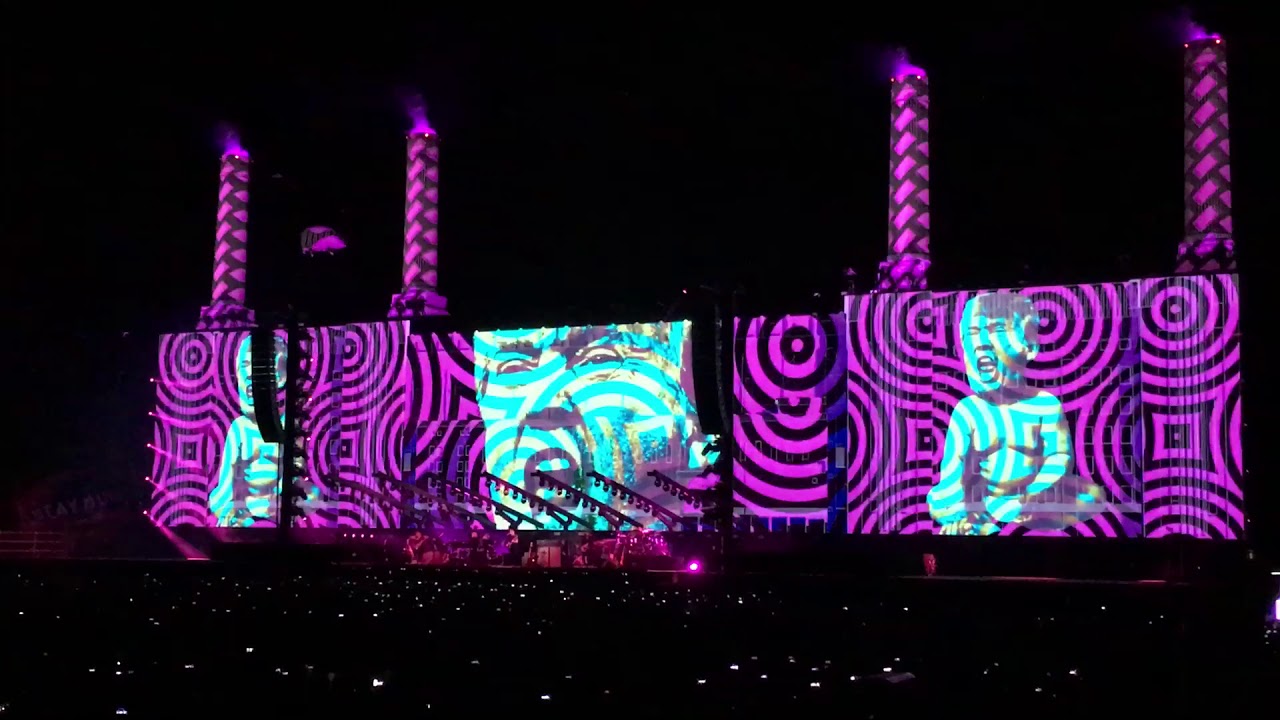

Waters Tours on the web
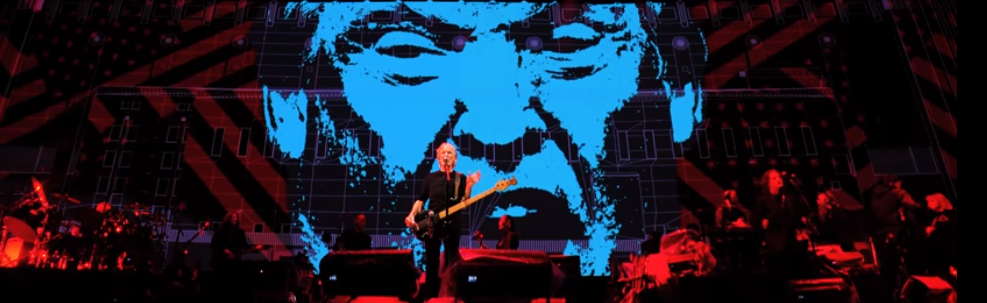
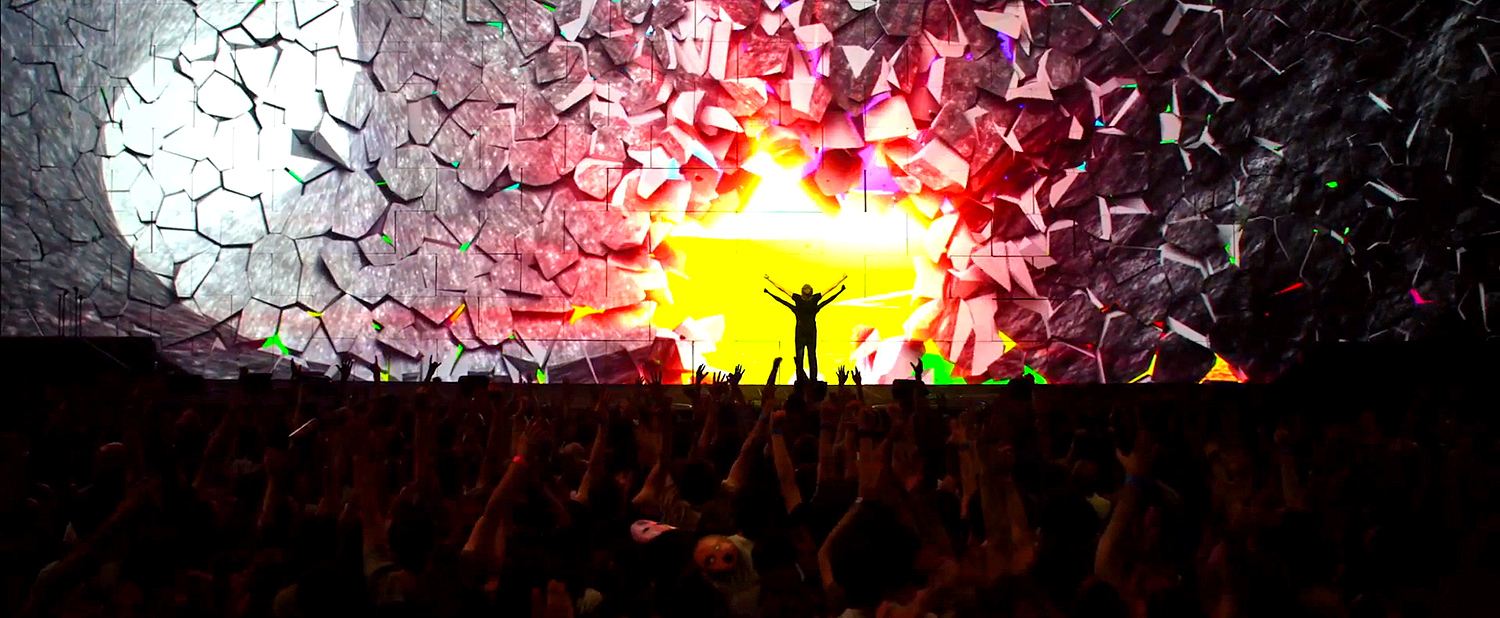
Waters has been touring for some time with mainly the Pink Floyd catalogue in mainly the Pink Floyd style (Comfortably Numb in the “The is not a Drill” tour was performed as a slow unrecognisable form). Waters was also keen for audiences to enjoy the performances and tried to minimise the phone recording trend which he says never really captures the full impact of the shows. He professionally filmed the main tracks in an attempt to reduce this audience practice; not quite working as audiences actually wanted to capture their own time at the shows but fabulous for a record of the tour in a quality that you simply can’t capture with your iphones.